
Understanding the All-Electric Home Movement
All-electric homes represent a fundamental shift in how we think about residential energy consumption, sustainability, and utility infrastructure. In 2025, the movement toward home electrification has accelerated dramatically, driven by environmental concerns, technological advances making electric appliances superior to gas alternatives, and increasing recognition that electrification paired with renewable energy offers the clearest path to sustainable living.
The concept is straightforward: replace all fossil fuel-burning appliances and systems—natural gas or propane furnaces, water heaters, ranges, and dryers—with efficient electric alternatives. This transformation eliminates combustion within your home, improving indoor air quality while enabling your home to run entirely on renewable electricity from solar panels or clean grid power.
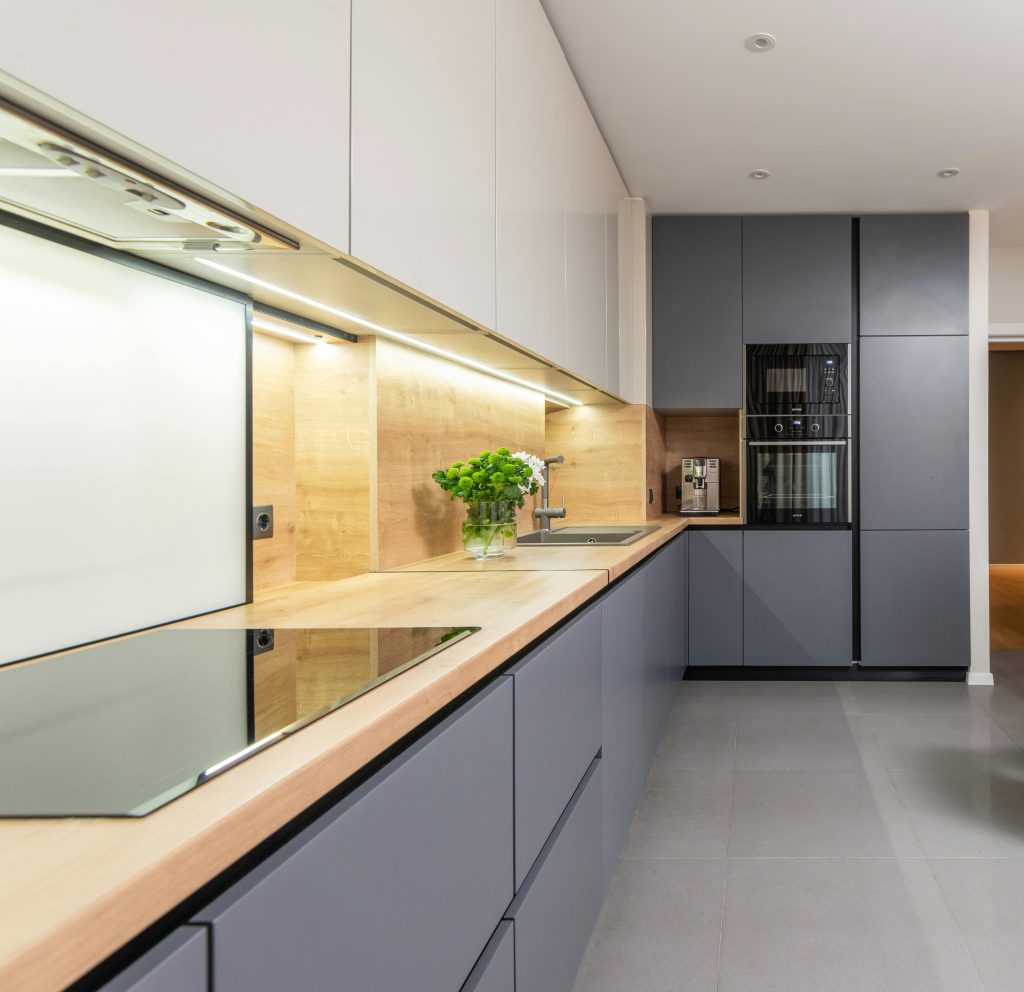
According to Rocky Mountain Institute research, new all-electric homes cost less to build than mixed-fuel homes when eliminating gas infrastructure, while retrofitting existing homes to all-electric can reduce energy costs by 20-40% when paired with efficient electric technologies. The U.S. Department of Energy estimates that comprehensive home electrification could reduce residential greenhouse gas emissions by 70-90% when paired with renewable electricity sources.
The shift toward electric home conversion reflects several converging factors:
Climate action: Buildings account for 40% of global greenhouse gas emissions. Electrification combined with clean energy is essential for meeting climate goals.
Technology maturity: Modern heat pumps, induction cooktops, and electric water heaters now outperform their gas counterparts in efficiency, performance, and user experience.
Economic advantages: While upfront costs exist, operational savings from eliminated gas bills and improved efficiency provide rapid payback, especially with available incentives.
Health benefits: Eliminating gas combustion removes indoor air pollutants including nitrogen dioxide, carbon monoxide, and particulate matter linked to respiratory problems.
At Energized Electric LLC, we help Portland-area homeowners plan and implement comprehensive home electrification projects, from assessing electrical capacity through installing the infrastructure needed to support modern all-electric lifestyles. This guide covers everything homeowners need to know about transitioning to all-electric living, focusing on the electrical requirements that make electrification successful.
Electrical Infrastructure Requirements for Home Electrification
The foundation of successful residential electrification is adequate electrical infrastructure. Most homes built for mixed gas/electric use lack the electrical capacity to support conversion to all-electric without significant upgrades.
Electrical Panel Capacity Assessment
Typical existing capacity:
- Older homes (pre-1980): 60-100 amp service
- 1980s-2000s homes: 100-150 amp service
- Modern homes (2000+): 200 amp service
All-electric capacity requirements:
- Minimum recommended: 200 amps
- Larger homes or homes with multiple high-draw devices: 300-400 amps
- Alternatively: 200 amps with sophisticated load management systems
Why capacity matters: All-electric homes replace gas appliances with electric equivalents that require substantial power:
- Heat pump HVAC: 15-60 amps (240V)
- Electric water heater: 20-30 amps (240V)
- Induction range: 40-50 amps (240V)
- Electric dryer: 30 amps (240V)
- EV charger: 30-50 amps (240V)
Simultaneously operating multiple appliances requires adequate panel capacity—a calculation licensed electricians must perform based on your specific home and planned equipment.
Service Upgrade Considerations
If your home lacks adequate capacity, electrical service upgrades become necessary before electrification:
What service upgrades involve:
- Installing larger electrical panel (typically 200 amps)
- Upgrading service entrance cables from utility connection
- Replacing meter base to handle increased capacity
- Coordinating with utility company for service modifications
- Obtaining permits and passing inspections
Service upgrade costs: $2,500-5,000 depending on complexity, existing conditions, and utility requirements.
Load management alternatives: Advanced load management systems can enable all-electric living on 100-150 amp services by intelligently managing when high-draw appliances operate, preventing simultaneous peak demands. These systems cost $1,500-3,000 but avoid full service upgrades in many cases.
Circuit Requirements for Major Appliances
Each major electric appliance requires dedicated circuits properly sized for their loads:
Heat pump HVAC systems:
- Air-source heat pumps: 30-60 amp 240V circuit
- Mini-split heat pump heads: 15-20 amp 240V circuit per head
- Ground-source (geothermal) heat pumps: 40-80 amp 240V circuit
Heat pump water heaters:
- Standard electric resistance water heaters: 20-30 amp 240V circuit
- Heat pump water heaters: 20-30 amp 240V circuit (draw is similar but more efficient)
Induction cooking ranges:
- Full induction ranges: 40-50 amp 240V circuit
- Induction cooktops (separate from ovens): 30-40 amp 240V circuit
- Portable induction burners: Standard 120V 15-20 amp circuit
Electric clothes dryers:
- Standard electric dryers: 30 amp 240V circuit
- Heat pump dryers: 15-20 amp 120V or 240V circuit (more efficient, lower power draw)
EV charging:
- Level 2 EV chargers: 30-60 amp 240V circuit depending on desired charging speed
Professional electricians must evaluate existing circuits, determine which can be repurposed, and identify what new circuits are necessary for complete electrification.
Heat Pumps: The Foundation of All-Electric HVAC
Heat pumps represent the cornerstone technology enabling sustainable electric homes by providing both heating and cooling far more efficiently than traditional systems.
How Heat Pumps Work
Rather than generating heat through combustion or electric resistance, heat pumps move heat from one location to another. During winter, they extract heat from outdoor air (even when cold) and concentrate it indoors. During summer, the process reverses, removing heat from inside and releasing it outdoors—essentially operating as air conditioners.
Efficiency advantages: Heat pumps deliver 2-4 times more heating or cooling energy than the electrical energy they consume. This remarkable efficiency—measured as Coefficient of Performance (COP) or Seasonal Energy Efficiency Ratio (SEER)—makes them far superior to gas furnaces or electric resistance heating.
Example comparison:
- Gas furnace: 95% efficiency (0.95 units of heat per unit of gas energy)
- Electric resistance heating: 100% efficiency (1 unit of heat per unit of electricity)
- Heat pump: 250-400% efficiency (2.5-4 units of heat per unit of electricity)
Types of Heat Pumps
Air-source heat pumps: Extract heat from outdoor air. Modern “cold climate” heat pumps operate efficiently even at -15°F to -25°F, making them suitable for Portland and most U.S. climates.
Ducted systems: Central systems distributing conditioned air through existing ductwork, similar to conventional HVAC.
Ductless mini-splits: Individual indoor units in each room or zone, ideal for homes without existing ductwork or for room-by-room control.
Ground-source (geothermal) heat pumps: Extract heat from stable ground temperatures via buried loops. Higher installation costs ($20,000-40,000) but exceptional efficiency and longevity.
Heat Pump Electrical Requirements
Heat pump electrical demands:
- Outdoor compressor unit: Primary electrical load (15-60 amps @ 240V depending on size)
- Indoor air handler: 15-20 amps @ 120V or 240V
- Auxiliary/emergency heat (if included): 15-30 amps @ 240V
Installation considerations:
- Must have dedicated circuits appropriately sized
- Disconnect switches required at outdoor units
- Proper wire sizing accounting for distance from panel to unit
- Integration with existing or new electrical panels
Professional installation essential: Licensed electricians must install heat pump electrical connections ensuring:
- Proper circuit sizing and protection
- Code-compliant disconnect switches
- Safe outdoor wiring and weatherproofing
- Coordination with HVAC contractors for complete system integration
Heat Pump Costs and Incentives
Equipment and installation:
- Ducted air-source heat pump: $5,000-12,000 installed
- Ductless mini-split system (3-4 zones): $8,000-15,000 installed
- Ground-source heat pump: $20,000-40,000 installed
Federal tax credits: Inflation Reduction Act provides 30% tax credit (up to $2,000) for qualifying heat pump installations through 2032.
State and utility incentives: Oregon offers additional rebates ($500-1,500) for heat pump installations, and many utilities provide cash incentives reducing effective costs by $2,000-4,000.
Operational savings: Heat pumps typically reduce heating costs by 30-50% compared to gas furnaces, providing annual savings of $500-1,200 for typical homes—recovering incremental costs within 5-8 years.
Induction Cooking: Superior Performance with Electric Power
Induction cooking has transformed electric cooking from an inferior alternative to gas into the premium choice preferred by professional chefs and home cooks prioritizing performance, safety, and efficiency.
How Induction Cooking Works
Induction cooktops use electromagnetic fields to heat cookware directly rather than heating a burner element that then heats the cookware. This direct energy transfer provides:
Precise temperature control: Induction responds instantly to adjustments, matching or exceeding gas responsiveness while offering far more precise temperature maintenance.
Superior efficiency: Induction cooking is 85-90% efficient versus 40% for gas and 70% for traditional electric. Most energy goes directly into heating food rather than heating your kitchen.
Safety advantages:
- Cooktop surfaces remain relatively cool—only residual heat from cookware
- Automatic pan detection prevents operation without proper cookware
- No open flames or hot elements
- No combustion byproducts degrading indoor air quality
Cooking performance benefits:
- Boils water 25-50% faster than gas
- Precise low-heat simmering
- Even heat distribution
- Easy-to-clean flat glass surface
Induction Cooktop Electrical Requirements
Circuit requirements:
- Full ranges (cooktop + oven): 40-50 amp 240V dedicated circuit
- Standalone cooktops: 30-40 amp 240V dedicated circuit
- Wire sizing: Typically 6 or 8-gauge copper wire depending on circuit amperage and distance
Installation considerations:
- Requires 240V circuit where gas range previously existed
- May require electrical panel upgrades if capacity is insufficient
- Professional installation ensures proper circuit sizing and safe connections
- Permits required for new circuit installations
Cookware compatibility: Induction requires ferromagnetic cookware (cast iron, magnetic stainless steel). Aluminum, copper, and non-magnetic stainless won’t work without special adapters. Most modern cookware is induction-compatible, and upgrade costs are minimal ($200-500 for complete set).
Induction Cooking Costs
Equipment:
- Quality induction cooktops: $1,000-2,500
- Full induction ranges (cooktop + oven): $1,500-4,000
- Professional-grade induction ranges: $3,000-8,000
Installation:
- Electrical circuit installation: $400-800
- Professional installation of range: $100-300
- Cookware upgrades (if needed): $200-500
Total conversion cost: $2,000-4,000 for complete induction cooking setup including electrical work.
Operational savings: Induction cooking uses 30-40% less energy than gas cooking, saving $50-100 annually. Combined with improved indoor air quality (eliminating nitrogen dioxide from gas combustion), the benefits extend beyond pure economics.
Electric Water Heaters: Efficient Hot Water Solutions
Water heating represents 15-20% of home energy consumption, making efficient electric water heating crucial for successful all-electric home operation.
Heat Pump Water Heaters
How they work: Rather than using electric resistance elements, heat pump water heaters extract heat from surrounding air and transfer it to water—the same principle as HVAC heat pumps but for water heating.
Efficiency advantages:
- 2-3 times more efficient than electric resistance water heaters
- 3-4 times more efficient than gas water heaters
- Energy Factor ratings of 2.0-3.5 versus 0.9-0.95 for gas and 0.9-1.0 for electric resistance
Cost savings: Heat pump water heaters save $200-400 annually compared to electric resistance and $300-500 annually compared to gas.
Considerations:
- Require 750-1,000 cubic feet of air space for heat extraction
- Generate cool, dehumidified air as byproduct (beneficial in humid basements, potential concern in small enclosed spaces)
- Slightly slower recovery than high-BTU gas heaters (though adequate for typical household needs)
- Higher initial cost than resistance heaters but lower than tankless systems
Electric Resistance Water Heaters
Traditional electric tank water heaters remain viable options, particularly for homes with space constraints unsuitable for heat pump units.
Advantages:
- Lower upfront cost ($400-800 installed)
- Simpler installation with fewer space requirements
- Reliable proven technology
Disadvantages:
- Lower efficiency than heat pump models
- Higher operating costs
- No additional benefits like dehumidification
Electrical Requirements for Electric Water Heaters
Circuit requirements:
- Standard electric water heaters: 20-30 amp 240V dedicated circuit
- Heat pump water heaters: 15-20 amp 240V circuit (lower draw due to efficiency)
- Wire sizing: 10 or 12-gauge copper depending on amperage and distance
Installation considerations:
- Replacing gas water heaters requires new electrical circuits
- Must ensure adequate clearances and ventilation (especially for heat pump models)
- Professional installation includes proper electrical connections and water hookups
- Permits required for electrical work and often for water heater replacements
Water Heater Costs and Incentives
Equipment and installation:
- Electric resistance tank water heaters: $800-1,500 installed
- Heat pump water heaters: $1,500-3,000 installed
- Tankless electric water heaters: $1,000-3,000 installed
Federal tax credits: 30% tax credit up to $2,000 for qualifying heat pump water heaters.
State and utility rebates: Oregon and many utilities offer $500-750 rebates for heat pump water heater installations.
Net costs after incentives: Heat pump water heaters often cost less than $1,500 after all incentives—comparable to gas water heater replacements while providing superior efficiency and performance.
Electric Dryers and Other Appliances
Completing electric home conversion involves addressing all remaining gas appliances.
Electric Clothes Dryers
Standard electric dryers:
- Widely available and affordable ($400-1,200)
- Require 30 amp 240V dedicated circuits
- Similar operating costs to gas dryers despite higher electricity costs (gas dryers still use substantial electricity for motors and controls)
Heat pump dryers:
- Emerging technology in U.S. market (popular in Europe)
- 50-60% more efficient than standard electric dryers
- Gentler on fabrics due to lower temperatures
- Can operate on 120V circuits in many cases
- Higher upfront costs ($1,000-2,000) but operational savings and fabric care benefits
Electrical requirements:
- Standard dryers: 30 amp 240V circuit
- Heat pump dryers: 15-20 amp 120V or 240V circuit (varies by model)
Other All-Electric Considerations
Pools and spas: Electric heat pumps provide efficient heating at fraction of gas heater operating costs.
Outdoor grills: While many prefer gas grills, electric grills and pellet grills offer alternatives for all-electric homes.
Fireplaces: Electric fireplaces provide ambiance without combustion, though lack the experience of gas or wood fires.
Planning Your All-Electric Conversion
Successful home electrification requires careful planning ensuring electrical infrastructure supports your transition while optimizing costs and minimizing disruption.
Assessment and Planning Phase
Professional electrical assessment: Have licensed electricians evaluate your existing electrical system:
- Current panel capacity and available spaces
- Existing circuit inventory
- Service entrance capacity
- Required upgrades for electrification
- Cost estimates for necessary electrical work
Appliance replacement strategy:
- Replace appliances as they fail rather than premature replacement
- Prioritize highest-impact upgrades (heating systems first, then water heating)
- Coordinate electrical work to minimize separate service calls
- Time projects to capture available incentives
Phased approach advantages:
- Spread costs over multiple years
- Learn each system before adding next
- Adjust plans based on experience
- Minimize disruption to household routines
Costs and ROI for Complete Electrification
Typical all-electric conversion costs (3-bedroom home):
- Electrical service upgrade (if needed): $2,500-5,000
- Heat pump HVAC installation: $8,000-12,000
- Heat pump water heater: $2,000-3,000
- Induction range: $2,000-3,000
- Electric dryer: $600-1,200
- Electrical circuit additions/upgrades: $1,500-3,000
Total investment: $16,600-27,200 before incentives
Available incentives (2025):
- Federal tax credits: Up to $6,000-8,000
- State rebates: $2,000-4,000
- Utility incentives: $1,000-3,000
Net costs after incentives: $5,600-16,200
Annual operational savings:
- Heating cost reduction: $500-1,200
- Water heating savings: $200-400
- Cooking efficiency: $50-100
- Eliminated gas connection fees: $100-300
Total annual savings: $850-2,000
Payback period: 7-15 years depending on initial costs, incentive capture, and energy savings. However, improved comfort, indoor air quality, and environmental benefits provide value beyond simple financial ROI.
Solar Integration with All-Electric Homes
The true potential of sustainable electric homes emerges when combining electrification with rooftop solar, enabling homes to generate most or all of their energy needs.
Why Solar and Electrification Pair Perfectly
Maximized solar value: Solar panels generate electricity, not gas. All-electric homes can utilize 100% of solar production, while mixed-fuel homes waste solar potential during cooking and heating with gas.
Energy independence: Combined solar and battery storage with all-electric appliances enables genuine energy independence, insulating households from utility rate increases.
Simplified energy management: Managing single energy source (electricity) is simpler than coordinating electric and gas usage, making smart home energy management more effective.
Environmental impact: Solar-powered all-electric homes achieve near-zero operational emissions, maximizing environmental benefits.
Sizing Solar for All-Electric Homes
All-electric homes typically consume 30-40% more electricity than mixed-fuel homes, requiring larger solar arrays:
Typical electricity consumption:
- Mixed fuel home: 8,000-12,000 kWh annually
- All-electric home: 12,000-18,000 kWh annually
Solar system sizing:
- 6-8 kW system: Covers 70-90% of all-electric home consumption
- 8-12 kW system: Approaches or achieves net-zero energy
Investment considerations:
- Solar installation: $15,000-30,000 (before 30% federal tax credit)
- Battery storage: $10,000-15,000 per battery unit
- Combined all-electric + solar investment: $30,000-55,000 gross / $20,000-35,000 net after incentives
Conclusion: Building Your Electric Future
All-electric homes represent the future of sustainable, efficient, healthy living—combining modern technology, renewable energy potential, and superior performance with environmental responsibility. While transitioning requires upfront investment and careful planning, the combination of federal tax credits, state rebates, utility incentives, and operational savings make electrification increasingly accessible and financially attractive.
The key to successful residential electrification lies in adequate electrical infrastructure. Working with licensed electricians from the planning phase ensures your home’s electrical system can support modern all-electric appliances reliably and safely. From service upgrades and new circuits through final connections and system testing, professional electrical work provides the foundation for successful electrification.
As we move deeper into 2025, the momentum toward all-electric living continues accelerating. Homes being electrified today will enjoy decades of efficient, clean, healthy operation while those maintaining fossil fuel dependency will face increasing costs, declining equipment availability, and obsolete infrastructure. The question isn’t whether to electrify, but when and how to implement your transition strategically.
Ready to explore all-electric living for your home? Contact Energized Electric LLC today for comprehensive electrical assessments and planning services. Our certified electricians specialize in home electrification projects, from initial capacity evaluations through installing the circuits and infrastructure needed for heat pumps, induction cooking, electric water heaters, and EV charging. We’ll help you navigate incentive programs, plan phased implementations, and ensure your electrical system supports your electrification goals—building the clean, efficient, all-electric home of your future, today.