
The Growing Need for Residential EV Charging Solutions
Residential EV charging has become one of the most requested electrical services as electric vehicle adoption accelerates nationwide. In 2025, electric vehicles represent over 30% of new car sales in the United States, with projections indicating EVs will dominate the automotive market within the next decade. This rapid transition means millions of homeowners need reliable, convenient charging solutions installed at their properties.
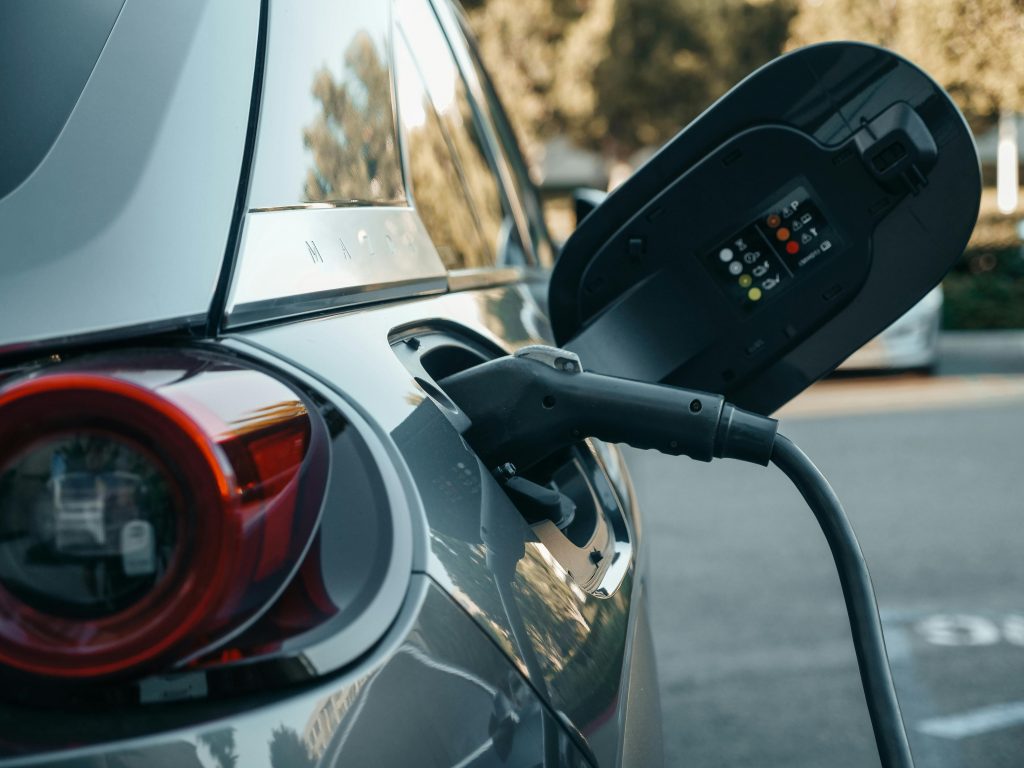
According to the International Energy Agency, approximately 80% of EV charging happens at home, making residential charging infrastructure essential for EV ownership practicality. Unlike gasoline vehicles that require trips to filling stations, EVs offer the tremendous convenience of “refueling” overnight in your own garage or driveway—but only if your home’s electrical system can support this demand.
The shift to electric vehicle charging at home represents more than just automotive evolution; it’s a fundamental change in how we think about energy consumption, home electrical capacity, and sustainable transportation. Installing proper home charging infrastructure isn’t simply about convenience—it’s about protecting your investment in an electric vehicle, ensuring safe and efficient charging, and preparing your home for an electric transportation future.
At Energized Electric LLC, we’ve installed hundreds of residential EV charging stations throughout the Portland area, helping homeowners navigate the technical requirements, permitting processes, and incentive programs that make home EV charging both practical and affordable. This comprehensive guide covers everything homeowners need to know about installing and using residential EV charging systems.
Understanding EV Charging Levels and Options
Before installing a home EV charger, understanding the different charging levels and their implications helps you make informed decisions about which solution best fits your needs and budget.
Level 1 Charging: Basic 120-Volt Charging
What it is: Level 1 charging uses standard 120-volt household outlets—the same outlets that power your lamps, phone chargers, and small appliances. Every electric vehicle includes a Level 1 charging cable that plugs into regular outlets.
Charging speed: Level 1 charging adds approximately 3-5 miles of range per hour of charging. For a typical EV with 250-300 miles of range, fully charging from empty takes 50-80 hours.
When it works: Level 1 charging suffices for:
- Plug-in hybrid vehicles with smaller batteries (20-40 miles electric range)
- Drivers with very short daily commutes (under 30 miles)
- Emergency or supplemental charging situations
- Second vehicles used occasionally
Limitations: For most EV owners, Level 1 charging proves inadequate. Modern electric vehicles with 60-100 kWh batteries simply cannot replenish sufficient range overnight through standard outlets. If you drive 40+ miles daily, Level 1 charging cannot keep pace with your consumption.
No installation required: The advantage of Level 1 charging is that it requires no electrical work—just plug into existing outlets. However, this convenience comes at the cost of extremely slow charging that limits EV practicality for most users.
Level 2 Charging: The Residential Standard
What it is: Level 2 charging uses 240-volt circuits—the same voltage that powers your electric dryer, oven, or air conditioning system. This is the standard for residential charging stations and provides practical charging speeds for daily EV use.
Charging speed: Level 2 chargers deliver 25-40 miles of range per hour of charging depending on the charger’s amperage (typically 32-40 amps) and your vehicle’s onboard charger capacity. Most EVs can fully charge overnight in 4-8 hours.
Amperage options:
- 32-amp chargers: Deliver ~7.7 kW, adding ~25 miles/hour (most common residential installation)
- 40-amp chargers: Deliver ~9.6 kW, adding ~30-35 miles/hour (requires 50-amp circuit)
- 48-amp chargers: Deliver ~11.5 kW, adding ~40 miles/hour (requires 60-amp circuit, used for high-capacity vehicles)
Why Level 2 is standard: For the vast majority of EV owners, Level 2 charging provides the ideal balance of charging speed, electrical system impact, and installation cost. Overnight charging easily replenishes daily driving consumption, ensuring your EV starts each day fully charged.
Professional installation required: Level 2 chargers require professional electrical installation including dedicated 240-volt circuits, appropriate wire sizing, proper breaker selection, and often electrical panel upgrades to accommodate the additional load.
Level 3 DC Fast Charging: Public Charging Infrastructure
What it is: Level 3 charging (DC Fast Charging) delivers 50-350 kW of power directly to vehicle batteries, bypassing onboard chargers. These systems can add 100-200 miles of range in 15-30 minutes.
Residential application: DC Fast Charging is NOT suitable for residential installation due to:
- Extreme power requirements (often exceeding total home electrical capacity)
- Installation costs of $50,000-150,000+
- Utility demand charges making home operation economically impractical
- Accelerated battery degradation from frequent fast charging
Where you’ll find it: DC Fast Charging stations are found along highways, at commercial locations, and in public charging networks. These serve long-distance travel needs, not daily charging.
Home charging focus: For residential purposes, Level 2 charging provides all the capability needed for daily EV ownership, making home DC Fast Charging unnecessary and impractical.
Electrical Requirements for Home EV Charger Installation
Installing a Level 2 EV charger requires specific electrical infrastructure that many homes—particularly older properties—don’t currently have. Understanding these requirements helps you plan and budget appropriately.
Dedicated Circuit Requirements
Why dedicated circuits are necessary: EV chargers draw substantial continuous loads—typically 32-40 amps for extended periods. Electrical code requires dedicated circuits for continuous loads exceeding 50% of circuit capacity, and practical considerations demand that EV chargers don’t share circuits with other devices.
Circuit sizing: The circuit must be rated for 125% of the charger’s continuous draw:
- 32-amp charger requires 40-amp circuit
- 40-amp charger requires 50-amp circuit
- 48-amp charger requires 60-amp circuit
Wire gauge requirements: Proper wire sizing ensures safe operation without overheating:
- 40-amp circuit: 8-gauge copper wire
- 50-amp circuit: 6-gauge copper wire
- 60-amp circuit: 4-gauge copper wire
Wire runs longer than 100 feet may require larger gauge wire to compensate for voltage drop.
Electrical Panel Capacity Considerations
Total panel capacity: Most modern homes have 200-amp main service panels, while older homes often have 100-amp or 150-amp panels. Adding an EV charger requires ensuring adequate spare capacity.
Capacity calculation: A 40-amp EV charger represents 20% of a 200-amp panel’s capacity—a significant addition. If your home already operates near capacity with air conditioning, electric heat, and major appliances, you may need an electrical panel upgrade before installing EV charging.
Load management solutions: Modern load management systems can dynamically adjust EV charging rates based on total home electrical demand, allowing EV charger installation without panel upgrades in some cases. These systems monitor overall consumption and reduce charging speed when other high-demand appliances operate.
Professional assessment required: Only licensed electricians can accurately assess whether your existing electrical panel can support EV charging or whether upgrades are necessary. This assessment should be the first step in any EV charger installation project.
Location and Installation Considerations
Charger placement: Consider these factors when selecting installation locations:
- Proximity to parking: Charger should be within cable reach of where you park (most charging cables are 18-25 feet long)
- Weather protection: While chargers are weatherproof, installing under eaves or in garages protects equipment and improves longevity
- Distance from electrical panel: Shorter wire runs reduce installation costs and voltage drop
- Future-proofing: Consider installing dual chargers or additional circuits if you anticipate multiple EVs
Mounting options:
- Wall-mounted: Most common, requires secure mounting to studs or concrete
- Pedestal-mounted: Free-standing posts for driveway installations where wall mounting isn’t practical
- Portable: Some chargers plug into dedicated outlets (NEMA 14-50), offering flexibility to move between locations
Permit requirements: Most jurisdictions require electrical permits for EV charger installations. Professional licensed electricians handle permitting, ensuring installations meet local codes and pass required inspections.
Smart Charging Features and Technology
Modern smart EV charging systems offer capabilities far beyond simply delivering power to your vehicle. These intelligent features optimize charging efficiency, reduce costs, and integrate with home energy management systems.
Connected Charging Features
WiFi connectivity and smartphone apps: Smart chargers connect to your home WiFi network and provide smartphone apps that enable:
- Remote monitoring: Check charging status from anywhere
- Scheduling: Program charging to occur during off-peak electricity rate periods
- Energy tracking: Monitor charging costs and energy consumption over time
- Usage statistics: Track miles added, charging sessions, and cost per session
- Access control: Require authentication to prevent unauthorized charging
Voice assistant integration: Many smart chargers integrate with Amazon Alexa or Google Assistant, allowing voice commands like “Start charging my car” or “What’s my EV’s charging status?”
Home automation integration: Smart chargers can integrate with comprehensive home automation systems, enabling sophisticated routines like “Start charging only when solar panels are generating excess power” or “Reduce charging rate when home energy usage is high.”
Load Management and Dynamic Charging
Dynamic load management: Advanced systems monitor total home electrical consumption and automatically adjust EV charging rates to prevent overloading circuits or exceeding panel capacity. When you start your electric dryer or AC system, the charger temporarily reduces charging speed, then increases it again when those devices shut off.
Utility demand response programs: Some utilities offer programs where they can temporarily reduce your EV charging rate during grid stress events in exchange for lower electricity rates. Smart chargers enable participation in these programs.
Multi-vehicle load sharing: For homes with multiple EVs, load management systems balance charging between vehicles, ensuring optimal use of available electrical capacity without requiring massive panel upgrades.
Time-of-Use Rate Optimization
Automatic off-peak charging: Many utilities offer time-of-use rates where electricity costs significantly less during off-peak hours (typically overnight). Smart chargers automatically delay charging until these low-rate periods, saving substantial money over time.
Cost savings examples: If peak electricity rates are $0.40/kWh and off-peak rates are $0.10/kWh, charging a 60 kWh battery costs $24 during peak hours but only $6 during off-peak hours—an $18 savings per charge or $450+ monthly for daily charging.
Solar integration: For homes with solar panels, smart chargers can prioritize charging when solar generation exceeds home consumption, effectively charging your EV with free solar energy rather than grid power.
Popular Smart EV Charger Brands
ChargePoint Home Flex: Industry-leading smart charger with comprehensive app features, variable amperage (16-50 amps), and integration with most home automation platforms. Retail price: $700-800.
JuiceBox 40: Budget-friendly smart charger offering essential smart features, energy tracking, and voice assistant integration. Retail price: $600-700.
Wallbox Pulsar Plus: Sleek European design with excellent app interface, compact size, and comprehensive smart features. Retail price: $650-750.
Tesla Wall Connector: Optimized for Tesla vehicles but works with other EVs using adapters. Simple, reliable design with Tesla app integration. Retail price: $400-500.
Grizzl-E Smart: Canadian-made charger known for durability in extreme climates, with robust smart features and excellent build quality. Retail price: $600-700.
Professional electricians can help you select the charger that best meets your needs, budget, and integration requirements.
Installation Process and Timeline
Understanding what home EV charger installation involves helps set realistic expectations for timeline and disruption.
Step-by-Step Installation Process
- Initial consultation and site assessment (1-2 hours): A licensed electrician visits your property to:
- Evaluate your existing electrical panel capacity
- Inspect potential charger installation locations
- Measure wire run distances
- Assess any obstacles or complications
- Provide detailed cost estimate
- Permit application (3-10 business days): Your electrician applies for required electrical permits from local building departments. Processing times vary by jurisdiction but typically take 3-10 business days. In Portland, residential EV charger permits usually process within 5 business days.
- Equipment procurement (3-7 business days): Ordering your selected EV charger and any necessary electrical components. Popular chargers are typically in stock, but specialty models or high-demand periods may extend lead times.
- Installation day (4-8 hours): Professional installation includes:
- Running appropriate wire from panel to charger location
- Installing dedicated circuit breaker in electrical panel
- Mounting charger securely
- Making all electrical connections
- Installing any necessary conduit for wire protection
- Configuring smart features and WiFi connectivity
- Testing complete system operation
Most installations complete in a single day, though complex installations requiring panel upgrades or extensive wire runs may require additional time.
- Inspection (1-7 business days after installation): Local building departments inspect the installation to verify code compliance. Your electrician coordinates this inspection and addresses any inspector comments if needed.
- Final configuration and training (30 minutes): Once the installation passes inspection, your electrician provides instruction on:
- Charger operation and safety features
- Smartphone app usage
- Optimal charging practices
- Troubleshooting common issues
- Maintenance requirements (minimal for most chargers)
Total timeline: From initial consultation to completed, inspected installation typically requires 2-3 weeks, with most of that time consumed by permitting and scheduling rather than actual work.
Costs and Financial Incentives
EV charger installation cost varies significantly based on existing electrical infrastructure, installation complexity, and equipment selection. Understanding total costs and available incentives helps budget appropriately.
Installation Cost Breakdown
Basic installation (existing adequate panel, short wire run): $1,200-1,800
- Charger hardware: $400-800
- Dedicated circuit installation: $500-800
- Permit fees: $150-200
- Labor: 4-6 hours
Standard installation (minor panel work, moderate wire run): $1,800-2,500
- Charger hardware: $600-800
- Electrical panel modifications: $300-500
- Wire and materials: $400-600
- Permit fees: $150-200
- Labor: 6-8 hours
Complex installation (panel upgrade required, long wire run): $3,000-5,000+
- Charger hardware: $600-800
- 200-amp panel upgrade: $1,500-2,500
- Extensive wire runs: $600-1,000
- Permit fees: $200-300
- Labor: 10-16 hours
Additional cost factors:
- Trenching for underground wire runs: $500-2,000
- Pedestal mounting: $200-400
- Load management systems: $400-800
- Service upgrade (from 100 to 200 amps): $2,500-4,500
Federal Tax Credits
Federal EV Charger Tax Credit: The Inflation Reduction Act provides a 30% tax credit (up to $1,000) for residential EV charger installation costs including both equipment and labor. This credit applies to installations through 2032.
Example: $2,000 total installation cost × 30% = $600 federal tax credit
Eligibility: The credit applies to equipment and installation costs for EV charging equipment installed at your primary residence. Consult tax professionals regarding specific eligibility and claiming procedures.
State and Local Incentives
Oregon State Incentives:
- Oregon Department of Environmental Quality offers rebates up to $750 for residential Level 2 charger installations for income-qualified households
- Some Oregon utilities offer additional rebates ranging from $500-1,000
Utility Company Programs:
- Portland General Electric: Rebates up to $500 for qualifying charger installations
- Pacific Power: Various EV charging incentives and special electricity rates for EV owners
Combined savings example:
- Total installation cost: $2,000
- Federal tax credit (30%): -$600
- Oregon DEQ rebate: -$500
- PGE utility rebate: -$500
- Net cost: $400
Always verify current incentive availability as programs change frequently and often have limited funding that may be exhausted. Your electrician can help identify applicable incentives and assist with application processes.
Long-Term Cost Savings
Fuel cost comparison: Electricity costs significantly less than gasoline per mile driven:
- Gasoline vehicle (30 mpg, $3.50/gallon): $0.12 per mile
- Electric vehicle (3 miles/kWh, $0.12/kWh): $0.04 per mile
- Annual savings (12,000 miles): ~$960
Home charging vs. public charging: Public Level 2 charging typically costs $0.20-0.50 per kWh, while home electricity averages $0.10-0.15 per kWh. Charging at home saves $0.10-0.35 per kWh, or $6-21 per charge for a 60 kWh battery.
Return on investment: Even with installation costs of $2,000-2,500 (after incentives), fuel savings of $960 annually mean most homeowners recover their investment within 3 years, with continued savings for as long as they own EVs.
Maintenance and Troubleshooting
Home charging solutions require minimal maintenance, but understanding basic care and troubleshooting keeps systems operating reliably.
Routine Maintenance
Monthly checks:
- Inspect charging cable for damage, cracks, or excessive wear
- Verify charger mounting remains secure
- Check for any unusual sounds during charging
- Confirm indicator lights display normally
Annual maintenance:
- Have a licensed electrician inspect electrical connections for tightness
- Verify circuit breaker operates properly
- Check for any corrosion, particularly on outdoor installations
- Test ground fault protection functionality
As-needed cleaning:
- Wipe charger exterior with damp cloth to remove dust and debris
- Clean charging connector contacts if they appear dirty
- Clear any vegetation growth around outdoor installations
Common Issues and Solutions
Charger won’t start charging:
- Verify vehicle is properly connected and locked to charger
- Check that scheduled charging isn’t delaying start
- Confirm circuit breaker hasn’t tripped
- Ensure vehicle’s charging port door is fully open
- Try restarting both charger and vehicle
Slow charging speeds:
- Verify charger settings haven’t been reduced
- Check if load management system is limiting speed due to home power usage
- Confirm vehicle’s charging rate limit settings
- Ensure charger is receiving full voltage (voltage drop from long wire runs reduces charging speed)
Connectivity issues:
- Restart charger and home WiFi router
- Verify WiFi signal strength at charger location
- Check for app or firmware updates
- Reconfigure WiFi connection if necessary
Circuit breaker trips during charging:
- This indicates a problem requiring professional diagnosis
- Could indicate charger malfunction, wiring issues, or inadequate circuit sizing
- Contact your installation electrician for evaluation
- DO NOT repeatedly reset breaker—this indicates a safety issue
Preparing for Future Multi-EV Households
As EV adoption accelerates, many households will own multiple electric vehicles. Planning for this scenario during initial installation prevents costly future upgrades.
Designing for Multiple EVs
Install higher-capacity circuits: Even if you currently own one EV, installing 50-60 amp circuits now (rather than minimum 40-amp) provides flexibility for faster charging or future dual chargers.
Run conduit for future circuits: Installing empty conduit from your electrical panel to your garage or parking area during initial work makes adding future circuits significantly less expensive.
Consider load management systems: Load sharing systems allow multiple chargers to share available electrical capacity intelligently, enabling multi-EV charging without massive electrical upgrades.
Plan parking arrangements: Ensure sufficient space for multiple vehicles to park within reach of charging equipment, considering that most charging cables are 18-25 feet long.
Panel Capacity Planning
If you anticipate multiple EVs in coming years:
- Upgrade to 200-amp service if you currently have less
- Install panels with additional circuit spaces for future chargers
- Consider sub-panels in garages to provide local capacity for multiple chargers
- Discuss load management strategies with your electrician during planning
Conclusion: Investing in Your Electric Vehicle Future
Residential EV charging infrastructure is no longer optional for EV owners—it’s essential. While initial installation requires investment and planning, the convenience of home charging, substantial fuel cost savings, and increasing property value make this upgrade one of the most practical electrical improvements homeowners can make.
Proper home EV charger installation by licensed professionals ensures safety, reliability, and optimal performance while meeting all electrical codes and qualifying for available incentives. Amateur installations or cutting corners on electrical capacity creates safety hazards, poor performance, and potential failure of expensive equipment.
As electric vehicles continue their rapid adoption trajectory, homes equipped with proper EV charging infrastructure will command premium values while those without will require costly upgrades before accommodating electric transportation. Installing charging capability now—even before purchasing an EV—positions your home advantageously for the electric future.
Whether you’re already driving electric or planning your first EV purchase, now is the ideal time to evaluate your home’s electrical capacity and plan appropriate charging infrastructure. The combination of federal tax credits, state and utility incentives, and long-term fuel savings makes this investment more affordable than ever.
Ready to install residential EV charging at your home? Contact Energized Electric LLC today for a comprehensive evaluation of your property’s electrical system and a detailed quote for professional EV charger installation. Our certified electricians have installed hundreds of home charging stations throughout the Portland area and can guide you through every step—from initial assessment through final inspection and beyond.
Drive electric with confidence, knowing your home is equipped to keep you charged and ready for every journey.