
Professional Electrical Safety Inspections for Portland Homeowners
Electrical systems represent one of the most critical yet often overlooked components of Portland homes. Hidden behind walls and ceilings, electrical wiring, connections, and components silently power modern life—until problems develop creating safety hazards, power disruptions, or catastrophic fires. For Portland homeowners concerned about electrical safety or facing situations requiring professional verification, electrical safety inspection Portland residents depend on provides comprehensive evaluation identifying hazards, code violations, and potential problems before they cause serious consequences.
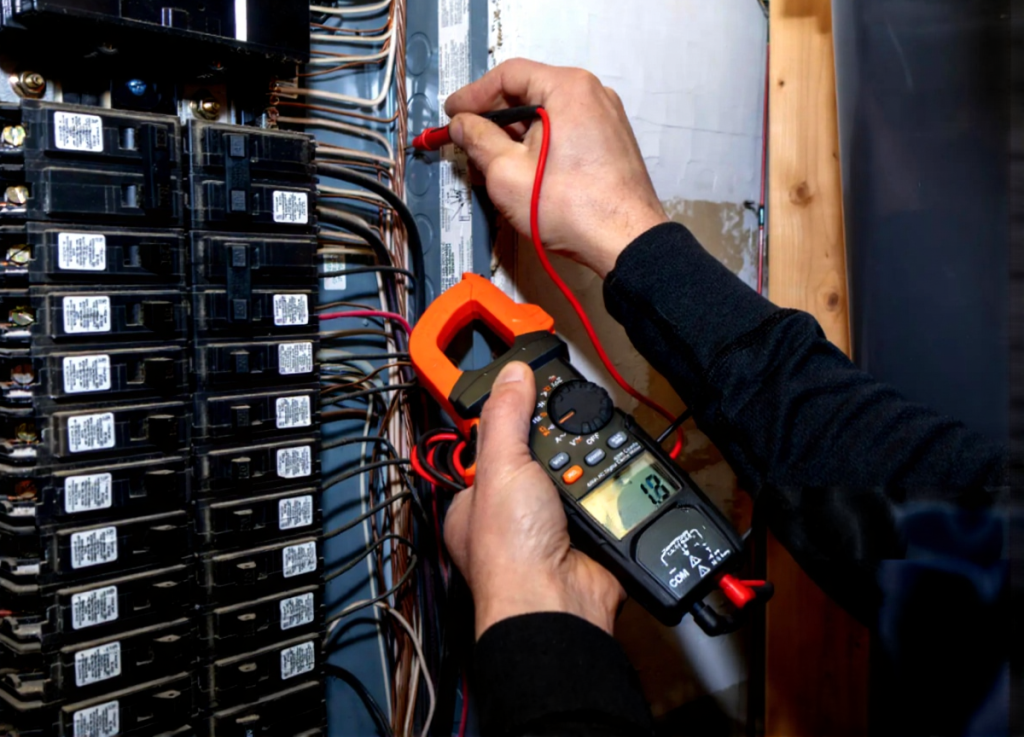
Unlike cursory visual checks, professional electrical inspections conducted by licensed electricians involve systematic examination of your home’s entire electrical infrastructure from the service entrance through the electrical panel, branch circuits, outlets, switches, and connected equipment. These thorough assessments verify code compliance, identify safety hazards, evaluate system adequacy for current loads, and provide documented condition reports essential for home sales, insurance, renovations, and peace of mind.
What Professional Electrical Inspections Include
Comprehensive electrical safety inspections cover multiple critical areas, examining visible components while identifying hidden problems requiring invasive testing or specialized equipment.
Service Entrance and Meter Evaluation
Inspections begin at the service entrance where utility power enters your property. Licensed inspectors examine:
Service drop or lateral condition: Overhead service drops should maintain proper height clearances, show no damaged insulation, and demonstrate secure utility pole attachments. Underground lateral services should have adequate burial depth with no signs of excavation damage.
Weatherhead and service entrance cable: The weatherhead protecting service entrance wiring from weather should be properly sealed, correctly oriented, and free from physical damage. Service entrance cables should show appropriate size for your service amperage and demonstrate no deterioration from weather exposure or age.
Meter base security: The meter socket should mount securely to the structure with no signs of loosening, water intrusion, or unauthorized access. Portland’s wet climate makes proper meter base sealing especially important preventing moisture infiltration that could cause dangerous electrical faults.
Grounding electrode system: Proper grounding provides essential safety protection, directing fault currents safely to earth. Inspectors verify grounding electrode conductors connect appropriately to grounding rods, metal water pipes, or other approved grounding electrodes meeting current National Electrical Code requirements.
Electrical Panel Inspection
The electrical panel receives intensive scrutiny during safety inspections as this critical component distributes power throughout your home while providing overcurrent protection preventing fires and electrical hazards.
Panel identification and rating: Inspectors verify panel manufacturer, model, and amperage rating, identifying problematic brands like Federal Pacific or Zinsco requiring immediate replacement regardless of apparent functionality.
Physical panel condition: Rust, corrosion, burnt odors, scorch marks, or melted components indicate serious problems requiring urgent attention. Portland’s humidity can accelerate panel corrosion, making condition assessment particularly important.
Breaker evaluation: Each circuit breaker should seat firmly in the bus bar, show proper amperage rating for connected wiring, and demonstrate no signs of overheating, arcing, or damage. Inspectors test breaker operation verifying proper trip functionality.
Circuit identification: Panels should have accurate circuit labels identifying which breakers control which areas or appliances. Proper labeling proves essential during emergencies requiring quick circuit isolation.
Available capacity: Inspectors assess available panel capacity, determining whether spare circuit positions and adequate amperage exist for potential additions like EV charger installation or other future electrical needs.
Wire connections: All wire connections should demonstrate proper torque, show no signs of overheating, and maintain appropriate wire bending radius without stress or damage.
Branch Circuit and Wiring Assessment
Beyond the panel, inspectors evaluate circuit wiring throughout accessible areas of your home:
Wiring methods and condition: Inspectors identify wiring types—modern Romex, older cloth-wrapped wiring, aluminum wiring, or potentially dangerous knob-and-tube systems. Each wiring type presents specific safety considerations and potentially requires different remediation approaches.
Junction box accessibility: All wire splices must occur in approved junction boxes that remain accessible—wiring buried in walls or ceilings without proper boxes violates code and creates fire hazards.
Circuit loading: Inspectors may use clamp-on ammeters measuring current flow in individual circuits, identifying overloaded circuits that could overheat and cause fires despite not immediately tripping breakers.
Wire sizing appropriateness: Circuit wire size should match or exceed the amperage rating of protective breakers. Undersized wiring represents serious fire hazards as wires can overheat without tripping breakers.
Outlet and Switch Inspection
Every accessible outlet and switch throughout your home receives evaluation during comprehensive inspections:
GFCI protection verification: Current electrical codes require ground fault circuit interrupter (GFCI) protection in bathrooms, kitchens, garages, outdoor areas, and other locations where water contact risks exist. Inspectors verify proper GFCI installation and test GFCI functionality.
AFCI protection assessment: Arc fault circuit interrupter (AFCI) breakers preventing electrical fires from damaged wiring or faulty connections are required for most circuits in modern electrical codes. While Portland homes built before AFCI requirements don’t need retrofits, inspectors note where AFCI protection would enhance safety.
Outlet grounding: Three-prong outlets should connect to proper grounding systems. Many older Portland homes have two-prong ungrounded outlets or improperly grounded three-prong outlets—both creating shock hazards for modern electronics and appliances.
Outlet condition and installation: Outlets should mount securely in boxes, show no cracks or damage, and demonstrate proper wiring connections. Loose outlets, reversed polarity, or bootleg grounds (cheater grounds connecting neutral and ground wires) create safety hazards.
Switch functionality: Light switches should operate smoothly without buzzing, heat generation, or sparking. Problems indicate failing switches requiring replacement.
Specialized System Evaluation
Certain electrical systems receive focused attention during safety inspections:
Smoke and carbon monoxide detectors: Inspectors verify appropriate detector placement, functionality, and age. Most smoke detectors require replacement after 10 years regardless of apparent functionality.
HVAC electrical connections: Heating and cooling equipment should demonstrate proper electrical connections, appropriate disconnect switches, and adequate circuit protection.
Water heater connections: Electric water heaters should have proper circuit sizing, secure connections, and appropriate overcurrent protection. Older installations sometimes lack required disconnecting means creating code violations.
Appliance connections: Major appliances like ranges, dryers, and dishwashers should have appropriate outlets or connections matching equipment requirements. Mismatched connections create fire and shock hazards.
Common Issues Found During Electrical Inspections
Portland’s housing stock ranging from historic homes over 100 years old to brand new construction presents diverse electrical challenges and typical problems discovered during safety inspections.
Outdated or Dangerous Wiring
Knob-and-tube wiring installed in Portland homes before the 1940s consists of individual wires supported by ceramic knobs and tubes rather than modern cable assemblies. While not inherently dangerous if undisturbed and unmodified, knob-and-tube wiring lacks ground conductors, uses outdated insulation materials, and often suffers from decades of amateur modifications creating serious hazards.
Insurance companies increasingly refuse coverage for homes with active knob-and-tube wiring or charge substantial premium increases. Complete removal and replacement with modern wiring costs $8,000-$25,000 depending on home size and accessibility but proves essential for safety and insurability.
Aluminum wiring installed in many Portland homes during the 1960s and 1970s presents fire hazards when improperly terminated at outlets and switches. Aluminum wiring expands and contracts more than copper, causing connections to loosen over time and create dangerous arcing and overheating.
Professional remediation involves replacing all outlets and switches with those rated for aluminum wire (CO/ALR rated) and ensuring proper connection techniques. Remediation costs $1,500-$4,500 for typical homes but substantially reduces fire risks from aluminum wiring.
Cloth-insulated wiring from the 1950s-1970s features rubber insulation covered with cloth sheathing that deteriorates with age. As insulation fails, exposed conductors create shock and fire hazards requiring wire replacement.
Inadequate Electrical Service
Many older Portland homes retain original 60-amp or 100-amp electrical service inadequate for modern electrical demands. While these service levels functioned adequately when homes relied primarily on lighting and a few small appliances, contemporary households with multiple computers, large screen TVs, heat pumps, EV chargers, and numerous other electrical loads quickly exceed 60-100 amp capacity.
Electrical safety inspection Portland professionals conduct often reveals service upgrades as the single most important improvement for aging homes. Electrical panel upgrades increasing service to 200 amps cost $2,500-$5,000 but provide essential capacity supporting modern lifestyles safely.
Missing GFCI and AFCI Protection
Homes built before current electrical codes often lack GFCI protection in bathrooms, kitchens, garages, and outdoor areas where water contact creates shock hazards. Similarly, older homes lack AFCI breakers preventing electrical fires from damaged or deteriorating wiring.
While complete retrofitting to current code requirements isn’t always legally required, adding GFCI and AFCI protection significantly enhances safety. GFCI outlets cost $30-$60 each installed, while AFCI breakers run $45-$75 per circuit—modest investments providing substantial safety improvements.
Ungrounded Outlets and Bootleg Grounds
Many Portland homes built before the 1960s have two-prong ungrounded outlets. Homeowners or previous electricians sometimes replaced these with three-prong outlets without actually providing ground connections—creating “bootleg grounds” that appear safe but lack actual grounding protection.
Proper grounding upgrades require either running ground wires to outlets, installing GFCI protection, or replacing ungrounded outlets with properly marked two-prong or GFCI outlets. Costs range from $75-$200 per outlet depending on the approach selected and installation difficulty.
Overloaded Circuits and Extension Cord Dependence
Homes with insufficient outlets often accumulate extensive extension cord and power strip use, creating fire hazards from overloaded circuits and damaged cords. Professional inspections identify these dangerous practices and recommend proper solutions including additional outlet installation and circuit additions.
Installing new outlets costs $150-$350 each depending on location and wire routing requirements—far less than fire damage or injury costs from makeshift wiring solutions.
Dangerous DIY Electrical Work
Unpermitted amateur electrical work represents one of the most common and dangerous findings during safety inspections. Well-meaning homeowners or hired handymen often create serious hazards through improper wire connections, inadequate circuit protection, code violations, and fundamental misunderstandings of electrical safety principles.
Correcting dangerous DIY work ranges from simple repairs costing $150-$400 to complete rewiring costing thousands of dollars depending on the extent and nature of problems discovered.
When Portland Homeowners Need Electrical Inspections
Several situations warrant professional electrical safety inspections even without obvious problems or code requirements.
Home Purchase Inspections
Buying a home represents most families’ largest financial investment—thorough electrical inspection provides essential due diligence protecting this investment. General home inspections include cursory electrical evaluation, but specialized electrical inspections by licensed electricians provide far more comprehensive assessment identifying problems general inspectors might miss.
Schedule electrical inspections during the home purchase inspection period, giving you detailed understanding of electrical system condition and documented evidence supporting negotiation requests for sellers to address problems or reduce sale prices offsetting needed repairs.
Electrical inspection costs of $300-$600 represent tiny fractions of home purchase prices while potentially identifying tens of thousands of dollars of necessary electrical work or serious safety hazards influencing purchase decisions.
Home Sale Requirements
Portland home sellers increasingly find buyers requesting detailed electrical inspections as purchase conditions. Proactively obtaining pre-listing electrical inspections allows sellers to identify and address problems before listing homes, preventing unexpected negotiation complications or deal failures from buyer inspection discoveries.
Pre-sale electrical inspections cost $300-$600 and provide documentation of electrical system condition that can enhance buyer confidence and potentially justify asking prices, particularly when combined with professional reports from licensed electricians.
Insurance Company Requests
Insurance companies may require electrical inspections for:
- Homes with known problematic panel brands like Federal Pacific or Zinsco
- Properties over 40 years old without documented electrical updates
- Homes with knob-and-tube or aluminum wiring
- Claims history suggesting electrical problems
Failing to comply with insurance inspection requests can result in coverage cancellation—making electrical inspections not optional but essential for maintaining insurance protection. These inspections typically cost $300-$500 and provide documentation satisfying insurer requirements.
Renovation Planning
Before undertaking major renovations, professional electrical inspections assess existing system condition and capacity for planned improvements. Discovering that your electrical panel lacks capacity for kitchen renovation electrical loads or that existing wiring must be replaced as part of bathroom remodeling helps you budget accurately and avoid mid-project surprises.
Pre-renovation electrical inspections cost $300-$700 depending on assessment scope but provide invaluable planning information preventing costly project delays or budget overruns.
Unexplained Electrical Issues
Persistent problems like:
- Frequent circuit breaker trips without obvious cause
- Flickering or dimming lights
- Outlets or switches that feel warm or show discoloration
- Burning smells near electrical components
- Shocks from appliances or outlets
All warrant professional electrical inspections identifying underlying problems. Electrical issues rarely resolve themselves and typically worsen over time—early professional intervention prevents minor problems from becoming major hazards or expensive failures.
Age-Based Preventive Inspections
Even without apparent problems, homeowners should consider electrical inspections every 10-15 years as preventive maintenance. Electrical components deteriorate over time, connections loosen, insulation fails, and circuit loading increases with modern electrical demands.
Periodic inspections identify developing problems before they cause fires, damage equipment, or injure family members. Prevention-focused inspection costs of $300-$500 every decade represent trivial insurance against catastrophic electrical failures.
Electrical Inspection Costs in Portland
Understanding typical investment requirements helps Portland homeowners budget appropriately for professional electrical safety evaluations.
Standard Residential Inspection Pricing
Basic electrical safety inspections for average Portland homes (1,500-2,500 square feet) cost $300-$600 from licensed electricians depending on home size, age, and inspection scope.
These standard inspections include:
- Service entrance and meter evaluation
- Electrical panel assessment
- Branch circuit testing
- Outlet and switch inspection
- GFCI and AFCI verification
- Smoke detector assessment
- Written report documenting findings and recommendations
Inspection duration typically requires 2-4 hours for thorough evaluation providing comprehensive understanding of electrical system condition.
Specialized or Extensive Inspection Pricing
Larger homes, properties with complex electrical systems, or inspections requiring specialized testing cost $600-$1,200:
Large homes over 4,000 square feet with multiple panels, subpanels, or extensive electrical systems require additional inspection time justifying higher fees.
Homes with known problems requiring detailed troubleshooting or extensive testing need more comprehensive evaluation.
Thermographic inspections using infrared cameras identifying overheating components, poor connections, or circuit loading issues add $200-$400 to standard inspection costs but provide invaluable early warning of developing problems invisible to visual inspection.
Whole-house circuit testing measuring voltage drop, ground resistance, and circuit continuity throughout electrical systems adds thoroughness and costs $150-$300 additional.
Follow-Up Inspection Fees
After addressing problems identified during initial inspections, follow-up inspections verifying proper remediation cost $150-$300. Many electricians include follow-up inspections in their repair quotes, eliminating separate follow-up fees.
Permit Inspection Costs
Portland requires electrical permit inspections for all permitted electrical work. These municipal inspections cost $150-$400 depending on project scope and are separate from private electrical safety inspections—though licensed electricians performing permitted work coordinate required city inspections as part of their service.
What Happens After Your Electrical Inspection
Professional electrical inspections conclude with detailed reports documenting findings and providing recommendations for addressing identified issues.
Understanding Your Inspection Report
Quality inspection reports include:
Executive summary highlighting critical safety issues requiring immediate attention, important improvements enhancing safety and functionality, and minor observations noted for future consideration.
Detailed findings organized by electrical system areas with descriptions of conditions, photographs documenting problems, and specific code references for violations identified.
Prioritized recommendations categorizing repairs as:
- Critical/Immediate (safety hazards requiring prompt attention)
- Important (code violations or deteriorating conditions needing attention soon)
- Recommended (improvements enhancing safety, functionality, or compliance)
- Future considerations (items to monitor or address eventually)
Cost estimates providing approximate pricing for recommended repairs help you budget appropriately. Licensed electricians performing inspections typically offer to quote detailed repair costs for identified problems.
Prioritizing Identified Issues
Not all inspection findings require immediate action. Work with your electrician prioritizing repairs based on:
Safety risks: Immediate fire or shock hazards demand prompt attention regardless of costs.
Code violations: Legal requirements for home sales, insurance, or permits necessitate addressing code violations before completing transactions.
System reliability: Problems causing power disruptions or equipment damage warrant timely repair preventing cascading failures.
Budget constraints: Expensive but less urgent improvements can be scheduled over time as budgets allow.
Professional electricians help you develop action plans balancing safety, functionality, compliance, and financial considerations creating realistic timelines for addressing inspection findings.
Addressing Critical Safety Issues
Hazards identified during inspections typically include:
Dangerous panel brands: Federal Pacific, Zinsco, or other problematic panels require replacement costing $2,000-$4,500.
Ungrounded or reverse-polarity outlets: Create shock hazards requiring correction at $75-$200 per outlet.
Missing GFCI protection: Required areas without GFCI need installation at $125-$250 per location.
Overloaded circuits: Require additional circuit installation ($300-$800 per circuit) or load reduction.
Damaged wiring: Exposed, frayed, or deteriorated wiring needs immediate repair or replacement ($200-$2,000+ depending on extent).
Most emergency electrical repairs can be scheduled within days of inspection completion, addressing critical safety concerns quickly.
DIY Electrical Inspection Limitations
While homeowners can perform basic electrical safety checks, professional inspections provide thoroughness and expertise DIY efforts cannot replicate.
What Homeowners Can Safely Check
Basic homeowner electrical safety checks include:
Visual panel inspection: Looking for rust, scorch marks, burning odors, or other obvious problems Outlet testing: Using simple plug-in outlet testers verifying proper wiring and grounding
GFCI testing: Pushing test buttons on GFCI outlets and breakers verifying proper operation Smoke detector testing: Checking detector functionality and noting age for replacement planning Obvious hazard identification: Noting damaged cords, overloaded outlets, or amateur electrical work
These simple checks cost nothing and potentially identify problems warranting professional attention. However, homeowner inspections miss hidden problems, code violations, and subtle issues requiring professional expertise and specialized equipment to detect.
Why Professional Inspections Matter
Licensed electricians bring:
Code knowledge: Understanding current electrical codes and safety standards beyond typical homeowner expertise Specialized testing equipment: Voltage testers, clamp-on ammeters, insulation resistance testers, and thermographic cameras identifying problems invisible to visual inspection Experience: Years of experience recognizing subtle signs of developing problems homeowners might overlook
Liability protection: Professional inspections provide documented evidence for insurance, legal, or transaction purposes DIY inspections cannot provide
Professional electrical inspection costs of $300-$600 represent small investments for the comprehensive assessment, peace of mind, and legal documentation professional services provide.
Electrical Code Compliance in Portland
Understanding Portland’s electrical code requirements helps homeowners appreciate inspection findings and remediation recommendations.
National Electrical Code Adoption
Portland adopts the National Electrical Code (NEC) with minimal local amendments, meaning most electrical requirements match national standards. The NEC updates every three years, with Portland typically adopting new code editions within 1-2 years of national publication.
Current code requirements often exceed standards in effect when older Portland homes were built. While homes built to previous code editions generally don’t require retrofitting to current standards (grandfathering), any new electrical work must meet current codes.
Common Code Requirements Affecting Portland Homes
Key code provisions frequently encountered during inspections include:
GFCI protection requirements: Bathrooms, kitchens within six feet of sinks, garages, unfinished basements, outdoor outlets, and other locations require GFCI protection.
AFCI protection requirements: Bedrooms, living areas, and most circuits in modern installations require AFCI breaker protection.
Outlet spacing requirements: Habitable rooms need outlets spaced no more than 12 feet apart preventing excessive extension cord use.
Dedicated appliance circuits: Major appliances like refrigerators, microwaves, and laundry equipment require dedicated circuits not shared with other loads.
Proper junction box covers: All wire splices must occur in covered junction boxes remaining accessible—hidden splices violate code.
When Code Compliance Becomes Mandatory
While existing installations generally grandfather under previous codes, compliance becomes mandatory when:
Selling homes: Buyers or lenders may require specific code upgrades as purchase conditions Obtaining permits: Any permitted electrical work must meet current codes Insurance requirements: Insurers may mandate specific upgrades for coverage Safety hazards: Dangerous conditions may require immediate correction regardless of grandfathering
Working with professional electricians ensures appropriate code compliance balancing safety requirements, legal obligations, and practical considerations.
Maintaining Electrical System Safety Long-Term
Professional inspections represent snapshots of electrical system condition at specific points in time. Long-term electrical safety requires ongoing attention and periodic maintenance.
Annual Homeowner Safety Checks
Portland homeowners should annually:
Test all GFCI outlets and breakers using test buttons verifying proper operation Inspect visible wiring for damage, deterioration, or amateur modifications
Check panel condition looking for rust, moisture, heat, or unusual odors Verify smoke and CO detector functionality replacing batteries and aging units
Note any new electrical problems like flickering lights, warm outlets, or frequent breaker trips
These simple checks take less than an hour and identify developing problems before they become serious hazards.
Professional Maintenance Schedules
Beyond annual homeowner checks, schedule professional electrical inspections:
Every 10-15 years for routine preventive assessment Before major home events including sales, refinancing, or renovations
After any electrical problems ensuring proper diagnosis and complete repair When adding significant electrical loads like EV chargers, heat pumps, or major appliances
Regular professional attention maintains electrical system safety and identifies problems during early stages when repairs cost less and risks remain minimal.
Red Flags Requiring Immediate Professional Attention
Never delay professional electrical evaluation when experiencing:
- Any burning smell near electrical components
- Visible sparks from outlets, switches, or panels
- Shocks from appliances or outlets
- Scorch marks or discoloration on outlets, switches, or panels
- Buzzing or crackling sounds from electrical components
- Lights that dim when appliances start
- Frequent breaker trips without obvious cause
These symptoms indicate serious problems requiring immediate professional diagnosis and repair. Emergency electrical repairs may be necessary to prevent fires or injuries.
Making Your Electrical Inspection Decision
Electrical safety inspection Portland homeowners schedule provides invaluable assessment of one of their homes’ most critical yet hidden systems. Whether driven by home sale requirements, insurance requests, renovation planning, or simply responsible preventive maintenance, professional electrical inspections identify safety hazards, code violations, and developing problems before they cause serious consequences.
Investment in professional electrical inspection services represents tiny fractions of potential costs from electrical fires, equipment damage, or injuries preventable through early problem identification. Working with qualified licensed electricians conducting thorough inspections and providing detailed documentation ensures you understand your electrical system’s true condition and can make informed decisions about necessary repairs or improvements.
Don’t wait for electrical emergencies, home sale complications, or insurance cancellations to force reactive electrical inspections. Proactive inspection scheduling gives you control over timing, budgeting, and remediation approaches while protecting your family, your property, and your investment from electrical hazards lurking behind walls and inside panels throughout your Portland home.