Home Electrical Inspections and Upgrades: Everything Homeowners Need to Know
A home electrical inspection is one of the most critical yet often overlooked aspects of home maintenance and safety. Your electrical system is the backbone of your home, powering everything from lights and appliances to heating systems and electric vehicle chargers. Yet most homeowners rarely think about their electrical infrastructure until something goes wrong—and by then, the consequences can be dangerous and expensive.
According to the National Fire Protection Association, electrical failures or malfunctions caused an estimated 44,880 home structure fires in 2023, resulting in 420 civilian deaths, 1,370 injuries, and $1.5 billion in property damage. Many of these tragedies could have been prevented through regular residential electrical inspections and timely upgrades.
As we approach the holiday season with increased energy demands from heating systems, decorative lighting, and kitchen appliances, now is the perfect time to evaluate your home’s electrical system. Whether you’re preparing for a home sale, planning major renovations, or simply want peace of mind, understanding when and why you need an electrical panel inspection can protect your family and your investment.
At Energized Electric LLC, we’ve conducted thousands of home electrical safety inspections throughout the Portland area, helping homeowners identify potential hazards and upgrade outdated systems before problems occur. This comprehensive guide will help you understand when your home needs an inspection, the benefits of modern electrical panels, and how to ensure your home meets current safety standards.
Signs Your Home Needs an Electrical Panel Inspection
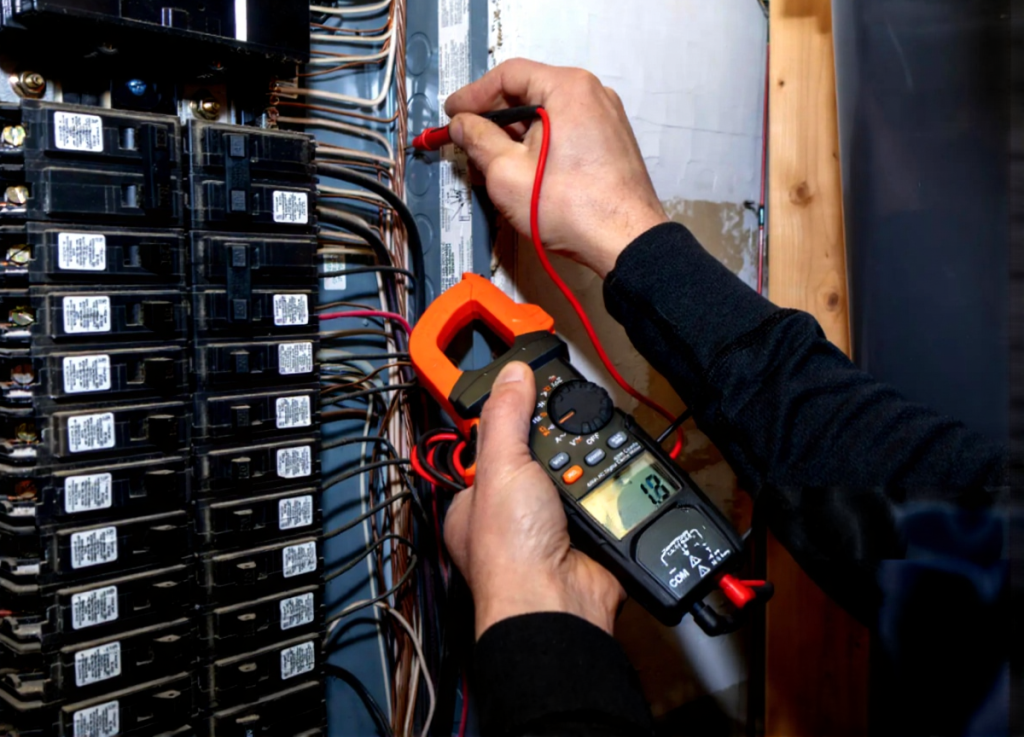
Your electrical panel—also called a breaker box or service panel—is the heart of your home’s electrical system. It distributes power throughout your house and protects against electrical overloads and short circuits. Recognizing the warning signs that your panel needs professional evaluation can prevent serious safety issues.
Critical Warning Signs That Require Immediate Attention
Frequent circuit breaker trips: If breakers trip regularly, especially when running normal household appliances, your panel may be undersized for your home’s electrical demands. Modern homes require significantly more power than homes built even 20 years ago.
Flickering or dimming lights: When lights dim or flicker when large appliances start, it indicates voltage drops that suggest your electrical system is struggling to meet demand. This is a common sign that an electrical panel upgrade is necessary.
Burning smells or discoloration: Any burning odor near your electrical panel or visible scorch marks on the panel or outlets requires immediate professional inspection. These are signs of dangerous electrical arcing or overheating connections.
Warm or hot electrical panel: Your breaker box should never feel warm to the touch. Heat indicates overloaded circuits or loose connections that pose serious fire risks.
Buzzing or humming sounds: Electrical panels should operate silently. Buzzing, humming, or crackling sounds indicate loose wiring, failing breakers, or other dangerous conditions.
Rust or corrosion: Moisture damage to your electrical panel compromises safety and functionality. Rust, corrosion, or water stains around your panel box require immediate evaluation.
Two-prong outlets throughout your home: Homes with predominantly two-prong (ungrounded) outlets typically have outdated electrical systems that don’t meet current safety standards and may require complete panel replacement.
Age-Related Electrical System Concerns
Homes over 25 years old: If your electrical panel is more than 25 years old, it likely doesn’t meet modern electrical code requirements and may not provide adequate capacity for today’s electrical demands.
Federal Pacific or Zinsco panels: These panel brands, commonly installed from the 1950s-1980s, have known safety issues and should be replaced immediately. Many insurance companies refuse coverage for homes with these panels.
Fuse boxes instead of circuit breakers: Homes still using fuse boxes have severely outdated electrical systems that pose safety risks and should be upgraded to modern circuit breaker panels.
Aluminum wiring: Common in homes built between 1965-1973, aluminum wiring poses fire risks due to its tendency to overheat at connection points. Homes with aluminum wiring need specialized inspection and often require complete rewiring.
If you notice any of these warning signs, schedule a professional electrical inspection immediately. Delaying necessary electrical upgrades puts your family at risk and can lead to catastrophic property damage.
The Comprehensive Home Electrical Safety Inspection Process
Understanding what happens during a residential electrical inspection helps homeowners prepare and appreciate the thoroughness required to ensure electrical safety. A professional inspection goes far beyond simply looking at your breaker panel—it’s a comprehensive evaluation of your entire electrical system.
What Professional Electricians Evaluate During Inspections
Electrical panel assessment: Inspectors examine your main service panel for proper sizing (typically 100, 150, or 200 amps), condition of breakers, signs of overheating, proper labeling, and code compliance. They verify that your panel capacity matches your home’s electrical demands.
Circuit load analysis: Electricians calculate the electrical load on each circuit to identify overloaded circuits, improper wire sizing, and capacity limitations. This analysis determines whether your home needs additional circuits or a complete panel upgrade.
Grounding and bonding verification: Proper grounding is essential for electrical safety. Inspectors verify that your system has adequate grounding rods, proper bonding of metal components, and continuous ground pathways throughout the home.
GFCI and AFCI protection: Current electrical codes require Ground Fault Circuit Interrupter (GFCI) protection in wet locations like bathrooms, kitchens, and outdoors, plus Arc Fault Circuit Interrupter (AFCI) protection in living areas. Inspectors verify these critical safety devices are properly installed and functioning.
Wiring condition assessment: Inspectors examine visible wiring for deterioration, improper connections, inadequate support, damaged insulation, and outdated wiring types. They also check for dangerous DIY electrical work.
Outlet and switch functionality: Every outlet and switch in your home should be tested for proper operation, grounding, polarity, and secure mounting. Inspectors also verify proper spacing of outlets per code requirements.
Smoke detector and carbon monoxide detector wiring: Hardwired smoke and CO detectors with battery backup are required in modern homes. Inspectors verify proper installation and interconnection.
Exterior electrical components: Outdoor outlets, lighting fixtures, meter bases, and service entrance cables are inspected for weather damage, proper weatherproofing, and code compliance.
The Detailed Inspection Report You Should Receive
A thorough home electrical inspection should provide a comprehensive written report documenting:
- Current system condition with photos of identified issues
- Safety concerns ranked by severity (immediate, near-term, long-term)
- Code compliance deficiencies
- Recommended repairs or upgrades with explanations
- Estimated costs for necessary work
- Timeline recommendations for addressing issues
This report becomes an invaluable reference for planning electrical upgrades and provides documentation for insurance purposes or real estate transactions.
Benefits of Modern Electrical Panel Upgrades
Upgrading your electrical panel isn’t just about meeting code requirements—it’s an investment in safety, convenience, and your home’s value. Modern electrical panels offer significant advantages over older systems that make the upgrade worthwhile even if your current panel still functions.
Enhanced Safety Features in Contemporary Panels
Advanced circuit breaker technology: Modern circuit breakers respond faster and more reliably to electrical faults than older breakers. They provide superior protection against overloads, short circuits, and ground faults.
AFCI protection throughout the home: Arc Fault Circuit Interrupter breakers detect dangerous electrical arcing that can cause fires. These specialized breakers are now required for most circuits and can prevent electrical fires before they start.
Better surge protection integration: New panels accommodate whole-home surge protection devices that safeguard expensive electronics, appliances, and smart home systems from voltage spikes caused by lightning or grid fluctuations.
Improved materials and construction: Contemporary panels use better materials, more reliable connections, and superior manufacturing standards compared to panels from 20-30 years ago.
Increased Capacity for Modern Living
Support for electric vehicles: Installing an EV charger typically requires a 200-amp service panel. Upgrading your panel now prepares your home for electric vehicle charging without requiring future electrical work.
Smart home device integration: Modern homes have dozens of connected devices, from smart thermostats to security systems. Adequate electrical capacity ensures these systems operate reliably without overloading circuits.
Kitchen and laundry upgrades: Today’s high-efficiency appliances—induction cooktops, convection ovens, heat pump dryers—often require dedicated circuits. A modern panel provides the capacity and circuit spaces needed for these upgrades.
Home office and entertainment systems: With more people working from home, electrical demands for computers, monitors, printers, and networking equipment have increased substantially. Modern panels handle these loads without issue.
Energy Efficiency and Monitoring Capabilities
Smart panel technology: Some modern panels include built-in energy monitoring that tracks consumption by circuit, helping you identify energy waste and reduce utility bills. These systems connect to smartphone apps for real-time monitoring.
Load management features: Advanced panels can automatically manage electrical loads, ensuring critical circuits maintain power while temporarily reducing demand from less essential circuits during peak usage.
Solar and battery integration: If you’re considering solar panels or battery backup systems, a modern electrical panel with appropriate disconnect switches and proper sizing is essential for seamless integration.
Financial and Property Value Benefits
Reduced insurance premiums: Many insurance companies offer discounts for homes with updated electrical systems. Some insurers require panel upgrades or refuse coverage for homes with outdated or known-problem panels.
Increased home value: A modern electrical system is a significant selling point. Home inspections during real estate transactions often identify outdated electrical systems as major concerns that can derail sales or reduce offers.
Prevention of costly emergency repairs: Proactive electrical panel upgrades prevent catastrophic failures that result in expensive emergency service calls, potential fire damage, and extended power outages.
Qualification for other upgrades: Many contractors won’t install certain systems—like EV chargers, hot tubs, or heat pumps—without adequate electrical capacity, making panel upgrades a prerequisite for other home improvements.
How to Ensure Your Home Passes an Electrical Inspection
Whether you’re preparing for a real estate transaction, planning a renovation that requires permits, or simply want to ensure your home meets current safety standards, understanding electrical code compliance helps you prepare effectively.
Common Electrical Code Compliance Issues
Insufficient GFCI protection: Current codes require GFCI outlets in bathrooms, kitchens (within 6 feet of sinks), laundry rooms, garages, unfinished basements, and all outdoor locations. Many older homes lack adequate GFCI coverage.
Missing AFCI protection: Arc fault protection is now required for most living area circuits, including bedrooms, living rooms, dining rooms, and hallways. Retrofitting AFCI breakers is often necessary to meet current codes.
Improper outlet spacing: Outlets must be spaced no more than 12 feet apart along walls, with no point along the wall more than 6 feet from an outlet. Many older homes have inadequate outlet density.
Lack of dedicated circuits: Modern codes require dedicated circuits for kitchen small appliances, laundry equipment, bathrooms, and certain other applications. Older homes often have too many devices sharing circuits.
Improper junction box covers: All junction boxes must have covers. Open junction boxes are common code violations that create safety hazards and must be corrected.
Outdated three-way switch wiring: Older three-way switch configurations may not meet current code requirements for neutral wires at switch locations, especially important for smart switch installation.
Missing tamper-resistant outlets: Homes with young children should have tamper-resistant outlets that prevent objects from being inserted. These are required in new construction and recommended for all homes.
Preparing Your Home for Inspection Success
Address known issues proactively: If you’re aware of electrical problems—flickering lights, frequently tripping breakers, warm outlets—have them repaired by a licensed electrician before the inspection.
Replace damaged outlets and switches: Cracked, broken, or discolored outlets and switches are immediate red flags. Replacing them is inexpensive and shows attention to maintenance.
Ensure panel accessibility: Electrical panels must have clear access with at least 3 feet of clearance in front and 30 inches of width. Remove any storage or obstacles blocking panel access.
Test and repair GFCI outlets: Use the test button on GFCI outlets monthly to ensure they’re functioning. Replace any that don’t trip properly when tested.
Update panel labeling: Clearly labeled circuits help inspectors and are required by code. Take time to properly identify each breaker’s function.
Document previous electrical work: If you’ve had electrical work done, having permits and inspection records available demonstrates code compliance.
When to Hire a Pre-Inspection Evaluation
If you’re buying or selling a home, facing a rental property inspection, or planning major renovations, consider hiring a professional electrician for a pre-inspection evaluation. This proactive approach identifies issues before official inspections, giving you time to address problems rather than facing unexpected failures or negotiating repairs under pressure.
A pre-inspection typically costs $200-$400 but can save thousands by preventing deal complications, failed inspections, or surprise repair requirements.
Planning and Budgeting for Electrical Panel Upgrades
Understanding the costs, timeline, and process for electrical panel upgrades helps homeowners make informed decisions and avoid surprises. While electrical work requires professional expertise and investment, proper planning makes the process manageable.
Typical Costs for Electrical Upgrades
Basic panel replacement (same amperage): $1,500-$2,500 for replacing a 100-amp or 150-amp panel with a modern equivalent in the same location.
Service upgrade to 200 amps: $2,500-$4,500 including new panel, meter base, service entrance cables, and utility coordination. This is the most common upgrade for modern homes.
Complete service upgrade with relocation: $4,000-$7,000 when the panel needs to be moved to a different location or requires significant additional work.
Subpanel installation: $800-$1,500 for adding a subpanel to provide additional circuits for specific areas like garages, workshops, or home additions.
Individual circuit additions: $200-$500 per circuit for adding dedicated circuits for specific appliances or areas.
These costs can vary based on your home’s specific conditions, local permit fees, and any additional repairs discovered during installation. Always get detailed written estimates from licensed electrical contractors.
The Electrical Panel Upgrade Process
Initial consultation and inspection: A professional electrician evaluates your current system, discusses your electrical needs, and recommends appropriate upgrades. This typically takes 1-2 hours.
Permit acquisition: Your electrician pulls necessary permits from local building departments. This ensures all work meets code and will be properly inspected.
Utility coordination: For service upgrades, your electrician coordinates with the utility company to disconnect and reconnect power. Some utilities require advance notice of 2-4 weeks.
Installation day: Panel replacement typically takes 4-8 hours. Your home will be without power during most of this time, so plan accordingly. Remove food from electric refrigerators and freezers if the outage will exceed a few hours.
Inspection and approval: After installation, a building inspector verifies the work meets code requirements. Your electrician schedules this inspection and addresses any concerns.
System testing and documentation: Once approved, your electrician tests all circuits, provides operation instructions, and gives you documentation of the completed work.
Financing Options and Return on Investment
Many electrical contractors offer financing plans for major upgrades, making necessary improvements more affordable. Additionally, some utility companies offer rebates for electrical efficiency improvements.
Consider the return on investment:
- Prevention of potential fire damage (average electrical fire causes $13,000 in damage)
- Insurance premium reductions (10-15% savings annually)
- Increased home value (modern electrical systems add $5,000-$10,000 to resale value)
- Avoided emergency repair costs
- Eligibility for other valuable home improvements
When viewed as a comprehensive investment in safety, functionality, and property value, electrical panel upgrades provide returns that far exceed their initial costs.
Choosing the Right Electrical Contractor for Your Inspection
The quality of your home electrical inspection and any subsequent upgrades depends entirely on the expertise and professionalism of your electrical contractor. Choosing the right electrician ensures thorough evaluation, proper work, and peace of mind.
Essential Qualifications to Verify
State licensing and bonding: Verify your electrician holds current state licensing (Oregon CCB license for Portland-area contractors). Licensed electricians have proven knowledge of electrical codes and safety standards.
Insurance coverage: Confirm your contractor carries both liability insurance and workers’ compensation. This protects you from liability if accidents occur during work on your property.
Local experience: Electricians familiar with local building codes, permit processes, and utility company requirements complete work more efficiently and with fewer complications.
Specialized training: For specific needs like EV charger installation or smart home integration, verify your electrician has relevant certifications and experience.
Positive reviews and references: Check online reviews on Google, Yelp, and the Better Business Bureau. Ask for references from recent customers with similar projects.
Questions to Ask Potential Electrical Contractors
- How long have you been performing residential electrical inspections?
- What does your inspection include, and how long does it typically take?
- Will you provide a detailed written report with photos?
- What are the most common issues you find in homes similar to mine?
- Can you provide a detailed estimate for recommended upgrades?
- How do you handle permits and inspections?
- What warranty do you offer on your work?
- What is your typical timeline from estimate to completion?
At Energized Electric LLC, we pride ourselves on transparent communication, thorough inspections, and quality workmanship. Our licensed electricians have decades of combined experience serving Portland-area homeowners, and we stand behind every inspection and installation with comprehensive warranties.
Conclusion: Protecting Your Home Through Professional Electrical Inspection
A comprehensive home electrical inspection is one of the most valuable investments you can make in your property’s safety, functionality, and value. Whether you’re concerned about aging electrical systems, planning for increased electrical demands, or preparing for the holiday season’s energy-intensive activities, professional evaluation provides the information you need to make informed decisions.
The benefits of modern electrical panels—enhanced safety features, increased capacity, improved efficiency, and smart technology integration—make upgrades worthwhile even when current systems still function. As electrical demands continue growing with electric vehicles, smart home devices, and high-efficiency appliances, ensuring your home’s electrical infrastructure can handle these loads prevents future problems and opens possibilities for valuable improvements.
Don’t wait for warning signs to become emergencies. Schedule a residential electrical inspection with qualified professionals who can identify potential issues, recommend appropriate upgrades, and ensure your home meets current safety standards. The peace of mind that comes from knowing your electrical system is safe and adequate is invaluable, especially as we enter seasons of increased electrical demands.
If you’re ready to schedule a home electrical safety inspection or need guidance on electrical panel upgrades, contact Energized Electric LLC today. Our certified electricians provide thorough inspections, detailed reports, and expert installation services throughout the Portland area. Protect your family, preserve your property, and prepare for the future with professional electrical inspection and upgrade services.
Content strategy and SEO optimization powered by Goodspeed Marketing