
How to Install an Electric Vehicle Charger in Your Garage
As the world continues to shift towards sustainable living, more people are choosing to drive electric vehicles for their daily transportation needs. However, one major concern for EV owners is the availability of charging options, especially at home. Having an EV charger installed in your garage is a convenient and efficient way to keep your vehicle charged and ready to go. But how exactly can you install an EV charger in your garage? In this post, we will guide you through the steps of installing an EV charger with the help of a professional electrician.
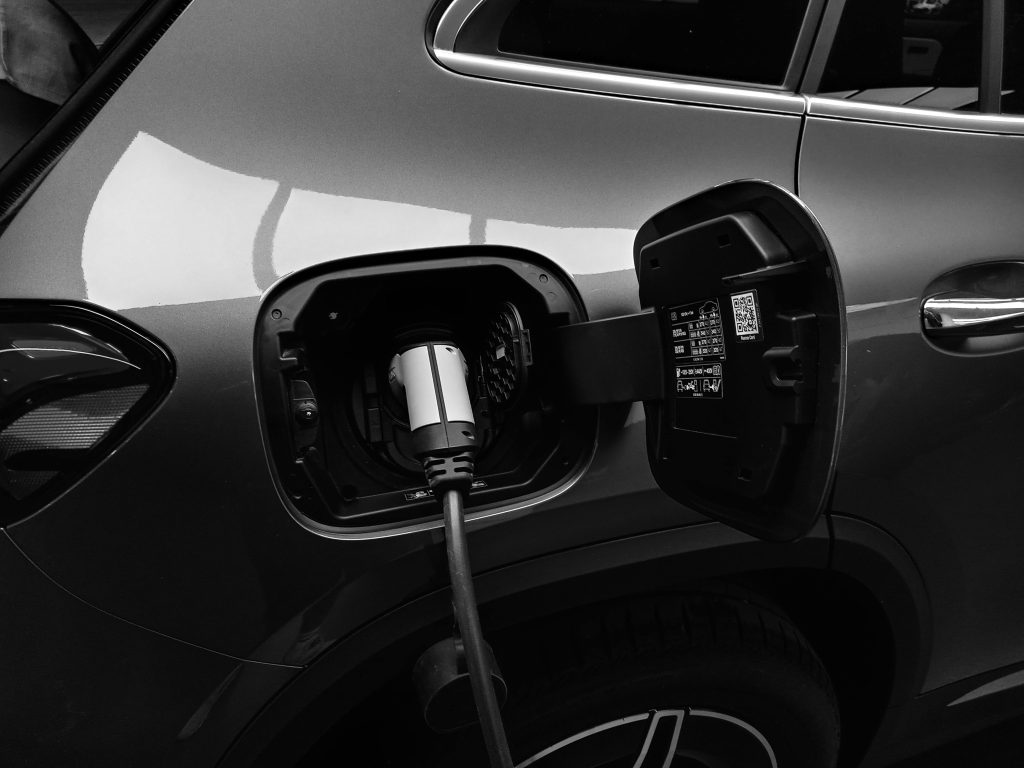
Step 1: Assess the Power Supply
The first and most important step in installing an EV charger in your garage is to assess the power supply. You need to make sure that your garage has sufficient power to support the charging station. This can be done by hiring a certified electrician to conduct an electrical safety inspection. They will check the power capacity of your garage and determine if any upgrades are needed.
Step 2: Choose the Right EV Charger
There are various types of EV chargers available in the market, and it is important to choose the one that suits your needs. The most common types of EV chargers are level 1, level 2, and DC fast chargers. Level 1 chargers are the most basic and usually come with the vehicle, while level 2 and DC fast chargers require professional installation. Level 2 chargers are the most popular choice for home installation as they can charge an EV at a faster rate than level 1 chargers.
Step 3: Hire a Licensed Electrician
Installing an EV charger involves electrical work, which should only be done by a licensed electrician. They have the knowledge, skills, and experience to safely install the charger and ensure it meets all safety standards. It is important to do your research and hire a reputable electrician who has experience in installing EV chargers.
Step 4: Installing the Charging Station
Once you have chosen the right EV charger and hired an electrician, it’s time to install the charging station. The electrician will first install a dedicated circuit for the charger and then mount the charging station on the wall. They will then connect the charger to the power supply, making sure all the connections are secure.
Step 5: Testing and Safety Checks
After completing the installation, the electrician will perform a series of tests to ensure that the charger is working properly and safely. They will also do a final safety check to make sure all electrical connections are secure and up to code.
Step 6: Maintenance and Monitoring
Once your EV charger is installed and ready to use, it is important to schedule regular maintenance checks with your electrician. They will inspect the charger and make any necessary repairs or upgrades to ensure it continues to function properly. It is also recommended to monitor the charger’s performance and usage to detect any potential issues early on.
Installing an EV charger in your garage is a straightforward process, but it requires the help of a licensed electrician. They will ensure that the charger is installed safely and meets all safety standards. With an EV charger in your garage, you can enjoy the convenience of charging your vehicle at home while contributing to a more sustainable future.