
The Evolution of Smart Home Integration in 2025
Smart home integration has evolved from a luxury novelty to an essential component of modern living. In 2025, the average home contains 25+ connected devices, from smart thermostats and lighting systems to security cameras, voice assistants, and appliances that communicate with your smartphone. This explosion of IoT (Internet of Things) devices has fundamentally transformed how homes operate and how electrical systems must be designed to support them.
According to recent market research, the global smart home market has exceeded $135 billion in 2025, with 40% of U.S. households now utilizing some form of home automation technology. This growth reflects not just convenience, but genuine improvements in energy efficiency, security, and quality of life that smart home technology delivers.
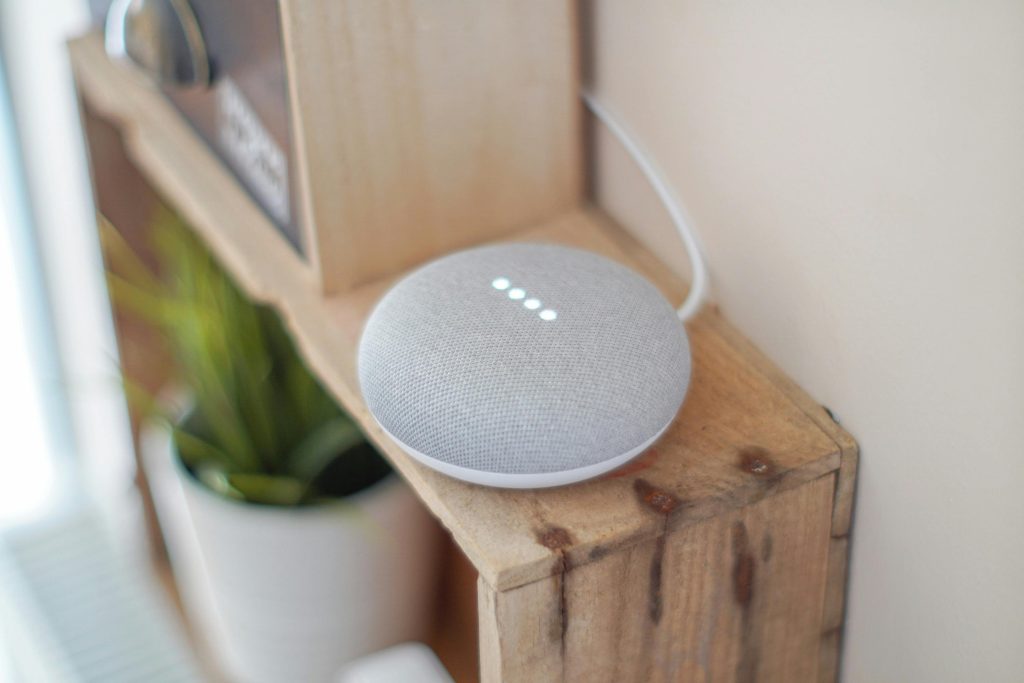
However, IoT home automation requires more than simply buying smart devices and connecting them to WiFi. Your home’s electrical infrastructure must support these technologies properly, providing stable power, appropriate wiring configurations, and the capacity to handle increasing numbers of connected devices. Many homeowners discover too late that their electrical systems weren’t designed for smart home technology, leading to connectivity issues, device failures, and safety concerns.
At Energized Electric LLC, we specialize in preparing homes for smart home integration, from basic smart lighting installations to comprehensive whole-home automation systems. This guide explores the electrical requirements, popular smart home technologies in 2025, and how to build the infrastructure needed for a truly intelligent home.
Understanding Smart Home Electrical Requirements
Before investing in smart home devices, understanding the electrical foundation these systems require prevents frustration and ensures optimal performance. Smart home electrical systems have specific needs that differ from traditional home wiring.
Essential Electrical Infrastructure for Smart Homes
Neutral wire requirements at switch locations: Perhaps the most critical electrical requirement for smart home technology is having neutral wires at light switch locations. Most smart switches and dimmers require neutral wires to power their internal electronics, but many homes built before 2011 lack neutral wires in switch boxes.
Without neutral wires, you’re limited to specific battery-powered switches or must undertake costly rewiring. If you’re planning smart lighting throughout your home but have an older electrical system, have a professional electrician evaluate your wiring to determine what modifications are necessary.
Stable power supply and grounding: Smart devices are sensitive to power quality. Voltage fluctuations, inadequate grounding, and electrical noise can cause smart devices to malfunction, lose connections, or fail prematurely. Proper electrical panel grounding, surge protection, and clean power delivery are essential for reliable smart home operation.
Adequate electrical capacity: Each smart device draws relatively little power individually, but collectively they can strain electrical systems. A home with multiple smart hubs, always-on security cameras, smart appliances, and charging stations requires adequate electrical capacity. If adding significant smart home technology, consider whether your electrical panel has capacity for additional loads.
Dedicated circuits for critical systems: Some smart home systems benefit from dedicated circuits, particularly smart security systems, home servers or network equipment, and smart HVAC controls. Dedicated circuits prevent other household electrical activities from affecting these critical systems.
Low-voltage wiring infrastructure: While many modern smart devices rely on WiFi, some systems still require or benefit from hardwired connections. Structured wiring systems with Ethernet cables, coaxial cables, and low-voltage wiring throughout your home provide redundancy and reliability that WiFi alone cannot match.
Network Infrastructure Considerations
Smart home technology relies on robust network connectivity. Your electrical system must support networking equipment properly:
Central location for network equipment: Your router, network switch, and smart home hubs should be centrally located with adequate power outlets. Consider having dedicated circuits installed in locations ideal for network equipment.
Power over Ethernet (PoE) capability: Some advanced smart home devices can receive both power and data through Ethernet cables, simplifying installation. PoE switches require proper electrical support and planning.
Backup power for network equipment: During power outages, smart home systems become useless unless network equipment has backup power. UPS (Uninterruptible Power Supply) systems or whole-home battery backup keeps smart systems operational during outages.
Smart Lighting Systems: The Foundation of Home Automation
Smart lighting systems represent the most popular entry point into home automation, offering immediate benefits in convenience, efficiency, and ambiance. In 2025, smart lighting has evolved far beyond simple on/off smartphone control to sophisticated systems that adapt to your lifestyle automatically.
Types of Smart Lighting Solutions
Smart bulbs: The simplest smart lighting option, smart bulbs screw into existing fixtures and connect directly to WiFi or via hubs like Philips Hue or LIFX. These require no electrical modifications but depend on traditional switches remaining in the “on” position. Smart bulbs work best for lamps and fixtures that aren’t switch-controlled.
Smart switches and dimmers: These replace traditional light switches and control regular bulbs, making any fixture “smart.” They require proper electrical installation including neutral wires at switch locations. Smart switches offer more reliable control than smart bulbs and work with existing LED or incandescent bulbs.
Smart light strips and panels: LED light strips and decorative panels add accent lighting with millions of color options and dynamic effects. These systems typically require low-voltage power supplies and controllers that must be properly installed to avoid fire hazards.
Integrated smart fixtures: High-end smart fixtures include built-in control technology, offering sleek designs without visible bulbs or external controls. These require proper electrical installation and often integrate with broader home automation systems.
Benefits of Professional Smart Lighting Installation
While some smart lighting products market themselves as DIY-friendly, professional smart home installation provides significant advantages:
Proper neutral wire installation: If your switches lack neutral wires, electricians can run appropriate wiring to enable smart switch installation throughout your home. This opens possibilities for true whole-home lighting control.
Load compatibility verification: Not all smart switches work with all types of lighting. LED bulbs, low-voltage lighting, and specialty fixtures require compatible smart switches. Electricians ensure proper compatibility preventing flickering, buzzing, or premature failures.
Integration with home automation platforms: Professional installation ensures smart lighting integrates seamlessly with platforms like Amazon Alexa, Google Home, Apple HomeKit, or Control4, enabling voice control and automation routines.
Scene and automation programming: Electricians experienced in smart home technology can program lighting scenes, schedules, and automations that maximize convenience and energy efficiency. Wake-up lighting, security lighting, and energy-saving schedules can be implemented professionally.
Energy efficiency optimization: Smart lighting reduces energy consumption by 60-80% compared to traditional lighting when properly implemented. Electricians can design lighting systems that maximize efficiency while maintaining desired illumination levels.
Smart Electrical Panels: The Brain of Your Connected Home
Smart electrical panels represent one of the most significant innovations in residential electrical systems, transforming the traditional circuit breaker panel into an intelligent energy management system. These panels take home automation integration to a new level by monitoring and controlling your home’s electrical distribution.
Features of Modern Smart Electrical Panels
Real-time energy monitoring: Smart panels track energy consumption at the circuit level, providing detailed insights into which appliances and systems use the most electricity. This granular data helps identify energy waste, malfunctioning equipment, and opportunities for efficiency improvements.
Smartphone app control: View your home’s electrical status from anywhere through dedicated apps. Monitor energy use, receive alerts about unusual consumption patterns, and even control individual circuits remotely.
Automated load management: During peak demand periods or when approaching electrical capacity limits, smart panels can automatically reduce power to non-essential circuits, preventing overloads while maintaining power to critical systems.
Integration with renewable energy: Smart panels seamlessly integrate with solar panel systems and battery storage, optimizing when to use solar power, draw from batteries, or pull from the grid based on cost and availability.
Predictive maintenance alerts: Smart panels monitor circuit performance and can alert you to potential issues—like deteriorating connections or circuits approaching capacity—before they cause failures or fires.
Enhanced safety features: Advanced breaker technology in smart panels responds faster to faults, provides better arc fault protection, and offers more comprehensive safety monitoring than traditional panels.
Popular Smart Panel Systems in 2025
Span Panel: Offers circuit-level monitoring and control with elegant app interface. Integrates with solar and battery systems while providing backup power management during outages.
Schneider Electric Square D Energy Center: Combines traditional panel reliability with smart monitoring capabilities and load management features.
Eaton Smart Breakers: Retrofit smart breakers that can be installed in existing panels, providing smart features without complete panel replacement.
Leviton Load Center: Focuses on energy monitoring and provides detailed consumption data with straightforward app controls.
Professional electrical panel installation ensures smart panels integrate properly with your home’s electrical system and function reliably for years to come.
IoT Devices and Connected Home Technology Trends
The connected home technology landscape in 2025 extends far beyond lighting and thermostats. Understanding current IoT device capabilities and electrical requirements helps homeowners make informed decisions about which technologies best serve their needs.
Smart HVAC and Climate Control
Smart thermostats: Devices like Nest, Ecobee, and Honeywell Home learn your preferences and automatically adjust heating and cooling for comfort and efficiency. Most require C-wires (common wires) for continuous power, which many older HVAC systems lack. Electricians can install C-wire adapters or run proper wiring to enable smart thermostat functionality.
Smart vents and zone control: Motorized vents that open and close automatically optimize airflow to different rooms based on occupancy and temperature preferences. These systems require proper electrical connections and professional installation to function correctly.
Smart air quality monitors: Devices that track air quality, humidity, and pollutants can integrate with HVAC systems to automatically adjust ventilation and filtration. These require stable power and often benefit from hardwired connections rather than battery operation.
Smart Security and Access Control
Video doorbells and security cameras: Ring, Nest, Arlo, and similar devices provide comprehensive home monitoring but require proper power supplies. While some operate on batteries, hardwired installations provide more reliable operation without battery maintenance concerns.
Smart locks and access systems: Electronic locks offer keyless entry with smartphone control, temporary access codes for guests, and integration with home automation routines. These typically use batteries but benefit from having nearby outlets for smart home hubs that control them.
Smart garage door openers: Devices like myQ enable remote garage door control and monitoring. Proper installation requires both power for the opener and strong WiFi coverage in garage areas, which may need network infrastructure improvements.
Smart Kitchen and Appliance Integration
Smart refrigerators: Modern refrigerators with touchscreens, internal cameras, and smartphone integration require significant electrical capacity. If replacing an old refrigerator with a smart model, verify your kitchen circuits can handle the increased load.
Smart ovens and ranges: WiFi-enabled cooking appliances allow remote monitoring and control. Induction cooktops, increasingly popular in smart kitchens, require 240-volt circuits with appropriate amperage—often necessitating electrical upgrades.
Smart dishwashers and laundry appliances: Connected appliances optimize cycles based on load and soil levels while providing status notifications. These typically work with existing electrical connections but benefit from dedicated circuits for optimal performance.
Voice Assistants and Smart Hubs
Centralized control platforms: Amazon Alexa, Google Home, Apple HomeKit, and Samsung SmartThings serve as central control points for diverse smart devices. These hubs require reliable power and network connectivity, ideally in central home locations.
Multi-room audio systems: Whole-home audio systems like Sonos require multiple powered speakers throughout your home. Planning electrical outlet placement during construction or renovation ensures clean installations without visible cords.
Electrical Considerations for Specific Smart Home Systems
Different smart home electrical systems have unique requirements that must be addressed during planning and installation to ensure reliable operation.
Smart Home Security System Wiring
Comprehensive security systems with multiple cameras, sensors, and control panels require careful electrical planning:
Power requirements: Security cameras need continuous power. While wireless cameras use batteries, frequent recharging becomes burdensome. Hardwired cameras require proper low-voltage wiring or Power over Ethernet infrastructure.
Backup power considerations: Security systems should remain operational during power outages. This requires UPS systems for network equipment and power supplies, or whole-home backup power solutions that keep security systems running during extended outages.
Network infrastructure: Security systems depend on reliable network connectivity. Strong WiFi coverage or hardwired Ethernet connections throughout your home, including exterior areas with cameras, ensures consistent security system operation.
Smart Shade and Window Treatment Electrical
Motorized window treatments add convenience and energy efficiency but require electrical planning:
Power outlet placement: Motorized shades need power at each window. Planning outlet placement during construction or renovation prevents visible cords and enables clean installations.
Load calculations: Homes with many motorized shades must account for cumulative electrical draw. While individual shade motors draw minimal power, dozens of shades running simultaneously require adequate circuit capacity.
Control system integration: Smart shade systems integrate with lighting scenes and schedules. Proper installation ensures shade controls communicate reliably with other smart home systems.
Smart Pool and Spa Equipment
Outdoor smart home technology presents unique challenges:
Weather-resistant installations: All outdoor smart devices require proper weatherproofing and GFCI protection. Smart pool controllers, lighting, and pumps must be installed by licensed electricians familiar with outdoor electrical requirements.
WiFi coverage extension: Pool equipment often sits beyond reliable WiFi coverage. Installing outdoor WiFi access points or using hardwired connections ensures pool automation systems function reliably.
Integration with energy management: Smart pool pumps and heaters can be scheduled to run during off-peak electricity rate periods, reducing operating costs. This requires integration with smart panels or dedicated energy management systems.
Planning and Implementing Comprehensive Smart Home Integration
Successful home automation integration requires thoughtful planning rather than piecing together incompatible systems over time. A comprehensive approach ensures all your smart devices work together seamlessly.
Creating Your Smart Home Roadmap
Assess current electrical infrastructure: Before purchasing smart devices, have an electrician evaluate your home’s electrical system to identify necessary upgrades. This assessment should cover neutral wire availability, electrical panel capacity, network infrastructure, and power quality.
Define priorities and use cases: Determine which smart home features matter most to your household. Prioritize systems that provide the greatest benefit—whether that’s security, energy efficiency, convenience, or entertainment.
Choose a control platform: Selecting a primary control platform (Alexa, Google Home, Apple HomeKit, or dedicated systems like Control4) early ensures device compatibility. Not all smart devices work with all platforms, so this decision guides your product selections.
Plan for scalability: Design your smart home infrastructure to accommodate future additions. Extra capacity in electrical panels, additional network outlets, and flexible automation programming allow for easy expansion as technology evolves.
Budget appropriately: Quality smart home implementation requires investment in both devices and professional installation. Budget for proper electrical infrastructure upgrades, not just device costs, to ensure reliable long-term operation.
The Value of Professional Smart Home Installation
While DIY smart home installation is possible for individual devices, comprehensive smart home installation by professionals provides significant advantages:
Integrated system design: Professional installers design systems where all components work together harmoniously rather than creating collections of disconnected devices.
Proper electrical preparation: Electricians ensure your home’s electrical infrastructure can support smart technology reliably and safely, including necessary upgrades to wiring, circuits, and panels.
Programming and automation setup: Professional programmers create sophisticated automation routines, scenes, and controls that maximize smart home benefits beyond basic device operation.
Ongoing support and service: Professional installations include support for troubleshooting issues, adding devices, and updating systems as technology evolves.
Code compliance: Smart home installations must comply with electrical codes. Professional installations ensure all work meets safety standards and passes inspections.
Energy Efficiency Benefits of Smart Home Technology
One of the most compelling reasons for smart home integration is substantial energy efficiency improvements that reduce utility costs and environmental impact.
Quantifying Smart Home Energy Savings
Smart lighting energy reduction: LED smart bulbs use 80-90% less energy than incandescent bulbs, and automated controls ensure lights are off when not needed. Typical homes save $200-400 annually on lighting costs after implementing comprehensive smart lighting.
Smart thermostat efficiency: Properly programmed smart thermostats reduce heating and cooling costs by 10-23% according to ENERGY STAR data. For homes spending $2,000 annually on heating and cooling, this represents $200-460 in savings.
Smart appliance optimization: Smart appliances optimize operation cycles, use off-peak electricity when available, and alert you to inefficient operation. Comprehensive smart appliance integration can reduce appliance energy consumption by 15-30%.
Phantom load elimination: Smart plugs can completely cut power to devices when not in use, eliminating “vampire” power draw from electronics in standby mode. This alone can save $100-200 annually for typical homes.
Cumulative efficiency impact: When lighting, HVAC, appliances, and other systems are all optimized through smart home integration, total energy consumption can decrease by 30-40%, translating to annual savings of $800-1,200 for average homes.
Smart Home Return on Investment
Initial smart home investments typically range from $2,000-10,000 depending on system comprehensiveness and home size. With annual energy savings of $800-1,200 plus enhanced security, convenience, and home value, most homeowners see positive ROI within 5-7 years.
Additionally, smart home technology often qualifies for utility rebates and incentives. Check with your local utility company about available programs that offset smart home installation costs.
Conclusion: Building Your Connected Future
Smart home integration in 2025 offers unprecedented control, efficiency, and convenience, but realizing these benefits requires proper electrical infrastructure and thoughtful implementation. Whether you’re starting with simple smart lighting or planning comprehensive home automation, ensuring your electrical system can support these technologies is fundamental to success.
The homes being built and renovated today with robust smart home electrical infrastructure will remain relevant and valuable for decades, while those relying on outdated electrical systems will struggle to adopt emerging technologies. Investing in proper electrical preparation now—adequate capacity, appropriate wiring, smart panels, and network infrastructure—protects your investment and enables continuous adaptation as smart home technology evolves.
If you’re ready to transform your house into an intelligent, efficient, connected home, start with a professional electrical assessment. Understanding your current system’s capabilities and limitations guides smart investment decisions that provide maximum benefit.
At Energized Electric LLC, our certified electricians specialize in preparing homes for smart technology integration. From installing smart panels and upgrading electrical capacity to running appropriate wiring and ensuring proper network infrastructure, we provide the electrical foundation your smart home needs to function reliably for years to come.
Contact us today to discuss your smart home vision and schedule an electrical assessment. Let’s build the connected home of your dreams with the electrical infrastructure to support it perfectly.