
The transformation of traditional houses into intelligent, automated living spaces represents one of the most significant shifts in residential technology over the past decade. For Portland homeowners interested in smart home electrical wiring Portland’s leading electrical contractors provide, understanding the electrical infrastructure supporting modern home automation helps you build systems that enhance convenience, efficiency, security, and comfort while avoiding costly mistakes that plague poorly planned installations.
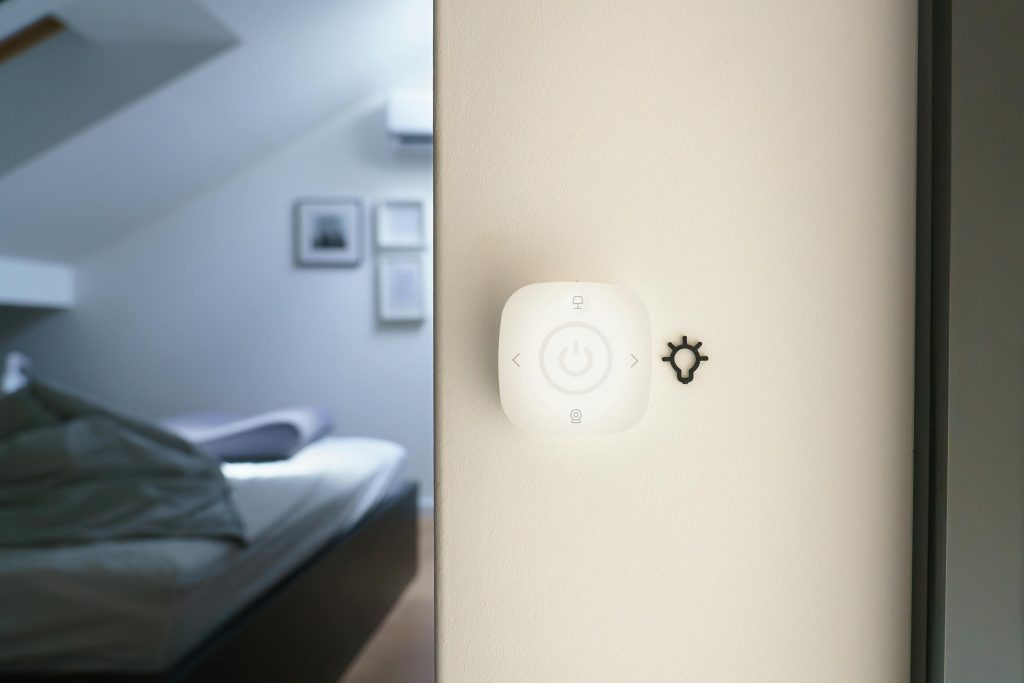
Smart home technology encompasses far more than simply installing a few connected light bulbs or a smart thermostat. Comprehensive home automation requires thoughtful electrical planning ensuring adequate power distribution, proper network infrastructure, compatible control systems, and future expansion capability. Whether you’re building a new Portland home, undertaking major renovations, or selectively upgrading existing systems, professional electrical planning creates the foundation for reliable, scalable smart home functionality that evolves with advancing technology.
Understanding Smart Home Electrical Requirements
Modern home automation systems depend on robust electrical infrastructure supporting various connected devices, control systems, and communication protocols throughout your property.
Power Supply Considerations
Smart home devices collectively consume minimal electricity compared to traditional appliances, yet they require consistent, clean power for reliable operation. Unlike conventional light switches requiring power only when actively switching lights, smart switches, sensors, and control hubs draw continuous standby power maintaining network connections and awaiting commands.
Most smart home installations add just 50-200 watts of continuous electrical load, easily accommodated by existing electrical systems. However, concentrating multiple smart devices on single circuits can create issues. Professional smart home electrical wiring Portland installations distribute smart devices across multiple circuits, preventing any single circuit failure from disabling comprehensive automation systems.
Neutral Wire Requirements
Many smart switches and dimmers require neutral wire connections for proper operation—a requirement creating challenges in older Portland homes where lighting circuits often lack neutral wires at switch locations. Homes built before the 1980s frequently routed only hot wires to switch boxes, with light fixtures providing neutral connections.
Retrofitting neutral wires to existing switch locations costs $150-$400 per location depending on accessibility and wall construction. Alternatively, newer smart switches from manufacturers like Lutron Caseta and Inovelli operate without neutral wires, though these specialized switches typically cost $10-$20 more than standard smart switches requiring neutrals.
Planning comprehensive smart home electrical upgrades provides opportunities to install neutral wires throughout your home during other electrical work, future-proofing your infrastructure for maximum device compatibility.
Dedicated Circuits for Critical Smart Home Components
Certain smart home components benefit from dedicated electrical circuits ensuring uninterrupted operation:
Smart home hubs and controllers managing whole-house automation should connect to circuits also powering internet routers and modems, ensuring network infrastructure remains operational consistently.
Security and surveillance systems require reliable power independent from circuits controlling lights or outlets that might be switched off inadvertently.
Smart HVAC systems benefit from dedicated circuits preventing interference from high-draw appliances sharing circuits with climate control equipment.
Professional licensed electricians designing smart home electrical systems create power distribution schemes protecting critical automation infrastructure while maintaining convenient access for maintenance and future modifications.
Surge Protection for Sensitive Electronics
Smart home components contain sophisticated electronics vulnerable to voltage spikes and power surges. Whole-house surge protection devices installed at your electrical panel provide the first line of defense, suppressing large surges from lightning strikes or utility grid issues.
Point-of-use surge protectors at locations with concentrated smart home equipment—entertainment centers, home offices, smart home hub locations—provide additional protection for expensive, sensitive electronics. Quality surge protection costs $300-$800 for whole-house systems and represents essential insurance protecting thousands of dollars of smart home investments.
Smart Lighting Systems and Electrical Requirements
Intelligent lighting represents the most popular and accessible smart home category, transforming how Portland homeowners illuminate and control their living spaces.
Smart Switch vs Smart Bulb Approaches
Two distinct approaches to smart lighting offer different advantages and electrical requirements:
Smart switches replace traditional wall switches with intelligent switches controlling conventional LED bulbs. This approach maintains familiar operation—switches still function normally while adding voice control, smartphone app control, automation, and scheduling capabilities. Smart switches require compatible electrical boxes with adequate depth, neutral wire connections (typically), and proper grounding.
Installation costs run $75-$150 per switch location for professional installation including quality smart switches. This investment provides permanent infrastructure controlling any bulbs installed in fixtures, avoiding per-bulb costs of the smart bulb approach.
Smart bulbs install in existing fixtures, requiring no wiring modifications but necessitating that wall switches remain powered continuously. Each bulb costs $12-$60 depending on features, and homes require dozens or hundreds of bulbs for comprehensive coverage. Smart bulbs work well for lamps and fixtures without wall switch control but prove expensive and impractical for whole-home implementation.
Most comprehensive smart home electrical wiring Portland installations utilize primarily smart switches for overhead lighting and permanently installed fixtures, supplemented with smart bulbs in lamps and locations requiring color-changing or specialty features.
Lighting Control Protocols
Smart lighting operates using various communication protocols, each offering distinct advantages:
WiFi smart switches connect directly to home WiFi networks, providing simple setup without additional hubs. However, WiFi switches consume more power, create network congestion in homes with dozens of switches, and may experience performance issues with marginal WiFi coverage.
Zigbee and Z-Wave switches use low-power mesh networking protocols requiring compatible smart home hubs but offering superior reliability, lower power consumption, and network performance with large device counts. Professional smart home installations often favor Zigbee or Z-Wave protocols for whole-house deployments.
Proprietary systems like Lutron use manufacturer-specific protocols optimizing performance and reliability through integrated ecosystem design. Lutron’s Caseta and RadioRA systems represent the gold standard for smart lighting, offering exceptional reliability and professional-grade performance at premium prices.
Selecting appropriate lighting protocols during initial installation avoids costly replacements when mixing incompatible systems creates reliability or functionality issues.
Dimming and Load Compatibility
Not all LED bulbs dim properly with all smart dimmers—compatibility issues can cause flickering, buzzing, limited dimming range, or premature bulb failure. Professional smart home electrical installations verify dimmer and bulb compatibility, often recommending specific LED bulbs tested and approved for the smart dimmers being installed.
Minimum and maximum load requirements also affect dimmer selection. Many dimmers require minimum loads of 25-40 watts to function correctly—less than the typical single LED bulb. Low-load dimmers designed for LED use cost $5-$15 more but prevent frustrating compatibility issues.
Outdoor Smart Lighting Integration
Portland’s beautiful yards and outdoor living spaces benefit tremendously from smart outdoor lighting providing security, ambiance, and convenience. However, outdoor electrical installations for smart lighting require weatherproof fixtures, appropriate circuit protection, and often buried conduit for permanent installations.
Professional installations ensure outdoor smart lighting meets code requirements for wet locations while providing reliable operation through Portland’s varied weather conditions. Costs range from $200-$600 per outdoor smart lighting zone depending on fixture quantity and installation complexity.
Smart Thermostat and Climate Control Integration
Intelligent climate control delivers significant energy savings while enhancing comfort through automated temperature management and remote access capabilities.
Common-Wire Requirements
Most smart thermostats including popular models from Nest, Ecobee, and Honeywell require common wire (C-wire) connections providing continuous 24-volt power for WiFi connectivity and color displays. Many older HVAC systems lack C-wire connections at thermostat locations, creating installation challenges.
Several solutions address missing C-wires:
Running new C-wire from HVAC system ($150-$350) provides permanent, proper power connections ensuring reliable smart thermostat operation.
C-wire adapter kits ($30-$60) install at HVAC equipment, repurposing existing wiring to provide C-wire functionality without running new wires.
Battery-powered smart thermostats avoid C-wire requirements entirely but need battery replacements every 1-2 years.
Professional HVAC and electrical contractors recommend running proper C-wires whenever possible, as this provides the most reliable foundation for smart climate control systems.
Zoned Climate Control Systems
Larger Portland homes benefit from multi-zone HVAC systems controlling temperature independently in different areas. Smart zoning requires:
Multiple smart thermostats or zone controllers managing individual heating/cooling zones Zone dampers in ductwork directing airflow to active zones Compatible HVAC equipment supporting zoned operation
While significantly more complex than single-zone systems, smart zoning reduces energy waste from conditioning unoccupied spaces and accommodates different temperature preferences in various home areas. Professional design and installation costs $2,500-$7,000 depending on zone quantity and complexity, but energy savings of 20-35% often justify the investment within 5-10 years.
Smart Ventilation and Air Quality Monitoring
Advanced smart home climate systems integrate air quality sensors monitoring particulates, VOCs (volatile organic compounds), CO2 levels, and humidity. These sensors trigger ventilation systems improving indoor air quality automatically.
Portland’s seasonal air quality challenges from wildfire smoke make smart air quality monitoring particularly valuable. Automated systems close fresh air intakes and activate filtration during poor outdoor air quality events while maximizing fresh air ventilation when outdoor conditions permit.
Integration costs $400-$1,500 depending on sensor quality and ventilation system complexity, delivering healthier indoor environments through intelligent automation.
Whole-House Smart Home Control Systems
Comprehensive home automation requires centralized control systems orchestrating various smart devices into cohesive, automated experiences.
Smart Home Hub Options
Several platforms compete for smart home control dominance:
Amazon Alexa through Echo devices provides accessible voice control and basic automation. Alexa works well for controlling individual devices but offers limited sophisticated automation capabilities compared to dedicated smart home systems.
Google Home delivers similar voice control and automation to Alexa with tighter integration into Google’s ecosystem. Like Alexa, Google Home suits casual smart home users but shows limitations for advanced automation.
Apple HomeKit offers exceptional privacy and security focus with seamless Apple device integration. However, device selection remains more limited than Alexa or Google platforms, and HomeKit requires Apple devices for control—limiting accessibility for mixed-device households.
Samsung SmartThings provides powerful automation capabilities and broad device compatibility. SmartThings excels at complex automation routines integrating diverse smart home components.
Home Assistant represents the most powerful, customizable smart home platform favored by technology enthusiasts. Home Assistant requires technical knowledge for setup and maintenance but offers unmatched flexibility and local control without cloud dependencies.
Professional smart home electrical wiring Portland installations often implement multiple platforms concurrently—HomeKit for Apple users, Alexa for voice control, and Home Assistant or SmartThings for advanced automation—creating redundant control methods and maximizing device compatibility.
Wired vs Wireless Control Systems
Smart home control fundamentally divides between wireless protocols and traditional wired systems:
Wireless systems using WiFi, Zigbee, Z-Wave, or Bluetooth offer easy installation, retrofit compatibility, and flexibility. However, wireless systems depend on radio frequency communication subject to interference, range limitations, and potential reliability issues.
Wired systems using traditional low-voltage wiring or ethernet connections provide superior reliability and security but require extensive cable runs during construction or major renovations. Wired systems suit new construction or comprehensive renovations where walls remain open for cable installation.
Hybrid approaches combining wireless sensors and controls with wired backbone infrastructure often deliver optimal results—leveraging wireless flexibility where appropriate while utilizing wired connections for critical components requiring maximum reliability.
Voice Control Integration
Voice assistants from Amazon, Google, and Apple have become expected smart home features. However, voice control requires careful planning:
Strategic speaker placement ensuring voice commands reach assistants reliably throughout your home Acoustic considerations minimizing echo or ambient noise interfering with voice recognition Privacy zones where voice assistants should not operate, particularly bedrooms and bathrooms
Many Portland homeowners install wired speaker systems during smart home integration projects, embedding voice control capability throughout their homes while avoiding visible smart speakers cluttering living spaces.
Smart Security and Surveillance Systems
Intelligent security systems protect Portland homes while providing remote monitoring, automated alerts, and integration with other smart home components.
Hardwired vs Wireless Security Cameras
Security camera installations utilize either wired or wireless approaches:
Wired IP cameras using Power over Ethernet (PoE) deliver superior reliability, higher video quality, and continuous power without battery concerns. PoE cameras require ethernet cable runs from a central PoE switch to each camera location—straightforward during construction but challenging in finished homes.
Professional PoE camera installations cost $300-$600 per camera including cable runs, mounting, and configuration. However, wired cameras provide commercial-grade reliability and performance justifying the additional investment for serious security applications.
Wireless cameras operate on battery power or plug into nearby outlets, communicating via WiFi. Wireless cameras install easily but require battery maintenance, show reduced reliability compared to wired systems, and consume substantial WiFi bandwidth when streaming video.
Battery-powered wireless cameras suit temporary installations or rental properties but rarely provide optimal solutions for permanent Portland home security systems.
Video Doorbell Integration
Smart video doorbells have become nearly ubiquitous, providing package delivery monitoring, visitor screening, and security benefits. However, doorbell installation requires:
Sufficient existing doorbell transformer capacity (16-24V AC, 30VA minimum for most video doorbells) Proper chime compatibility ensuring doorbell buttons trigger mechanical or electronic chimes correctly WiFi coverage at front door locations for reliable video streaming
Many older Portland homes have undersized doorbell transformers (10VA or 16VA) requiring upgrades to support smart video doorbells. Transformer upgrades cost $150-$300 including professional installation by licensed electricians ensuring proper electrical connections and code compliance.
Smart Lock Electrical Considerations
Electronic smart locks consume battery power and typically don’t require electrical wiring. However, some premium smart locks offer hardwired power options eliminating battery replacements.
Hardwired smart lock installations require low-voltage wiring from door locations to power supplies, typically located in basements, attics, or nearby electrical closets. While adding installation complexity, hardwired locks eliminate the primary maintenance requirement (battery replacement) creating truly maintenance-free operation.
Network Infrastructure for Smart Homes
Reliable network connectivity represents the unseen but essential foundation supporting all smart home functionality.
Structured Wiring Systems
Professional smart home electrical installations often include structured wiring systems distributing ethernet, coaxial, and audio cables throughout homes from central distribution panels. Structured wiring provides:
Reliable wired network connections in every room, supporting computers, TVs, smart home hubs, and WiFi access points Future flexibility for technology changes without new cable installations
Reduced wireless network congestion by connecting stationary devices via ethernet rather than WiFi Enhanced performance for bandwidth-intensive applications like 4K video streaming
Structured wiring costs $2,500-$7,000 for typical Portland homes depending on room count and cable density, but this investment creates network infrastructure supporting decades of technological evolution.
WiFi Coverage and Access Point Planning
Smart homes demand comprehensive WiFi coverage reaching every corner where smart devices operate. Single consumer wireless routers rarely provide adequate coverage for whole-home automation in Portland’s typical 2,000-3,000 square foot homes.
Professional network installations utilize multiple WiFi access points creating unified wireless networks with seamless roaming between access points. Quality mesh WiFi systems or properly configured access points cost $400-$1,500 but deliver the reliable wireless connectivity smart homes require.
Electrical planning should accommodate access point power requirements, either through nearby outlets or Power over Ethernet connections integrated with structured wiring systems.
Network Security Considerations
Smart homes create numerous potential security vulnerabilities as each connected device represents a potential entry point for malicious actors. Professional network configuration includes:
Segmented networks isolating smart home devices from computers and sensitive data Guest networks for visitors preventing access to your smart home systems Strong encryption and password policies protecting network access Regular firmware updates ensuring devices receive security patches
While network security requires ongoing attention rather than one-time electrical installation, proper electrical infrastructure supporting sophisticated network equipment enables the security measures protecting smart home investments.
Smart Home Electrical Panel Upgrades
Comprehensive home automation sometimes necessitates electrical panel modifications supporting additional circuits, advanced metering, or intelligent power management.
Load Monitoring and Management
Smart electrical panels from manufacturers like Span and Leviton provide circuit-level energy monitoring, revealing exactly how much electricity individual circuits and appliances consume. This granular data enables:
Identifying energy waste from inefficient appliances or phantom loads Optimizing time-of-use electricity rates by scheduling high-consumption activities during off-peak hours Remote circuit control turning off circuits from smartphone apps
Integration with solar and battery systems for sophisticated energy management
Smart electrical panels cost $3,500-$6,500 installed, representing significant investments justified primarily for solar-equipped homes or energy-conscious homeowners wanting comprehensive consumption visibility and control.
Circuit Capacity for Future Expansion
Smart home adoption typically accelerates after initial installations as homeowners discover automation benefits and continually add devices. Professional electrical planning should include spare circuit capacity in electrical panels supporting future expansion without panel upgrades.
Leaving 6-10 spare circuit positions costs nothing during initial installations but provides invaluable flexibility for adding smart appliances, EV charging, or other future electrical loads. Panel upgrades driven by inadequate spare capacity cost $2,500-$5,000—far more than the negligible cost of slightly larger panels installed initially.
Smart Appliance Integration
Modern appliances increasingly include smart connectivity enabling remote control, automation, and enhanced functionality.
Smart Kitchen Appliances
Connected kitchen appliances offer various capabilities:
Smart refrigerators with internal cameras, inventory management, and grocery ordering Connected ovens and ranges allowing remote preheating, temperature monitoring, and recipe guidance Smart dishwashers with remote start, cycle completion notifications, and efficiency optimization
Most smart appliances connect via WiFi requiring only standard electrical connections plus reliable wireless network coverage. However, placement near WiFi dead zones creates connectivity issues—consider network coverage when planning appliance locations during kitchen renovations.
Smart Laundry Equipment
Connected washers and dryers provide cycle completion alerts, remote start capability, and diagnostic information simplifying maintenance. These appliances require standard electrical connections (120V for washers, 240V for dryers) plus WiFi coverage in laundry room locations.
Laundry rooms in basements or distant from wireless routers often suffer poor WiFi coverage. Planning for ethernet jacks or WiFi access points in laundry areas ensures reliable smart appliance connectivity.
Water Heater and HVAC Intelligence
Smart water heaters and HVAC systems optimize energy usage by learning household patterns and adjusting operation automatically. These systems typically require:
C-wire or continuous power connections for controllers and communication modules WiFi or wired network connectivity for remote access and cloud service integration Compatible electrical infrastructure supporting equipment power requirements
Professional installations ensure smart water heaters and HVAC systems receive proper electrical connections supporting advanced functionality while meeting all electrical codes.
Smart Home Installation Costs in Portland
Understanding typical investment requirements helps Portland homeowners budget appropriately for smart home electrical projects.
Basic Smart Home Starter Systems
Entry-level smart home implementations including basic lighting control, smart thermostat, and video doorbell cost $1,500-$3,500 installed professionally:
5-10 smart light switches ($750-$1,500 installed) Smart thermostat ($350-$600 installed including C-wire if needed) Video doorbell ($400-$700 installed including transformer upgrade if required)
These foundational systems provide meaningful automation benefits while limiting initial investment, with straightforward expansion paths adding functionality incrementally.
Comprehensive Whole-Home Automation
Full-house smart home electrical wiring Portland installations with comprehensive lighting control, integrated security, climate automation, and smart appliances cost $8,000-$25,000+ depending on home size and feature selection:
Whole-home lighting control ($3,000-$8,000 for 20-40 switch locations) Integrated security and surveillance ($2,500-$6,000 for cameras, sensors, and monitoring) Smart HVAC and climate zones ($1,500-$5,000 depending on complexity) Network infrastructure upgrades ($1,000-$3,500 for structured wiring and WiFi enhancement) Smart electrical panel ($3,500-$6,500 if desired for energy monitoring)
These comprehensive systems transform homes into intelligent environments providing convenience, efficiency, security, and comfort benefits justifying their substantial investments.
Ongoing Subscription Costs
Many smart home systems include monthly subscription fees for cloud services, professional monitoring, or advanced features:
Security system monitoring ($15-$60 monthly) Cloud video storage ($3-$30 monthly depending on camera quantity and retention duration) Smart home service platforms ($0-$20 monthly for premium features)
Factor these ongoing costs into total ownership calculations when evaluating smart home investments.
Future-Proofing Your Smart Home Electrical System
Technology evolves rapidly—electrical infrastructure installed today should accommodate technological advances for 20+ years.
Conduit and Access for Future Wiring
Installing empty conduit between basement/attic areas and key locations throughout your home provides pathways for future cable installations without opening walls. This forward-thinking approach costs minimal amounts during construction or major renovations but saves thousands of dollars facilitating future technology upgrades.
Strategic conduit runs should connect:
- Electrical panel locations to major rooms
- Basement or attic access to each floor
- Between rooms on the same floor
- Outdoor locations to interior spaces
Oversized Electrical Capacity
Installing electrical panels 25-40% larger than current requirements costs just $200-$400 additional but provides capacity for future electrical loads from EV charging, expanded automation, additional appliances, or home additions.
Similarly, installing larger circuits than currently necessary (40-amp circuits where 20-amp would suffice today) facilitates future high-draw device additions without rewiring.
Flexible Control System Selection
Avoid smart home platforms with proprietary device requirements or closed ecosystems limiting future expansion options. Favor open platforms supporting diverse device brands and communication protocols, ensuring you’re not locked into single manufacturers as technology evolves.
Systems built on open standards like Zigbee, Z-Wave, or Matter (the emerging smart home interoperability standard) provide maximum flexibility adapting to future technological developments.
Professional Installation vs DIY Smart Home Projects
While many smart home devices market themselves as DIY-friendly, professional electrical installation delivers superior results for comprehensive automation systems.
When Professional Installation Makes Sense
Hire licensed electricians for:
- Smart switch installations requiring neutral wire retrofitting
- New circuit installations for smart home hubs or equipment
- Electrical panel modifications or upgrades
- Structured wiring and network infrastructure
- Integration with security, HVAC, or other complex systems
- Whole-home automation system design and planning
Professional installations ensure code compliance, proper electrical connections, and optimal system performance while protecting your home and investment through appropriate permitting and insurance.
Appropriate DIY Projects
Homeowners comfortable with basic technology can handle:
- Smart bulb installation in existing fixtures
- Plug-in smart switches and outlets
- Battery-powered sensors and devices
- Smart speaker and hub setup
- Network equipment configuration
Even for these simpler projects, consulting with professional electricians during planning ensures your DIY efforts integrate properly with overall home electrical systems and avoid problematic approaches complicating future professional installations.
Making Your Smart Home Electrical Decision
Smart home electrical wiring Portland homeowners invest in transforms houses into responsive, efficient, secure environments adapting to your lifestyle and preferences. While comprehensive automation systems represent significant investments, the convenience, energy savings, enhanced security, and increased home value these systems provide justify their costs for families embracing modern technology.
Successful smart home implementation requires thoughtful planning, professional electrical infrastructure, quality equipment selection, and realistic expectations about capabilities and limitations. Working with experienced electrical contractors specializing in home automation ensures your investment delivers the functionality, reliability, and future expandability creating smart homes that remain cutting-edge for years or decades.
When you’re ready to explore smart home possibilities for your Portland property, professional consultations with qualified licensed electricians experienced in home automation provide customized recommendations matching your technology comfort level, budget parameters, and lifestyle priorities. Transform your traditional house into an intelligent home through strategic electrical planning and professional installation creating the foundation for comprehensive automation that enhances your daily life.